


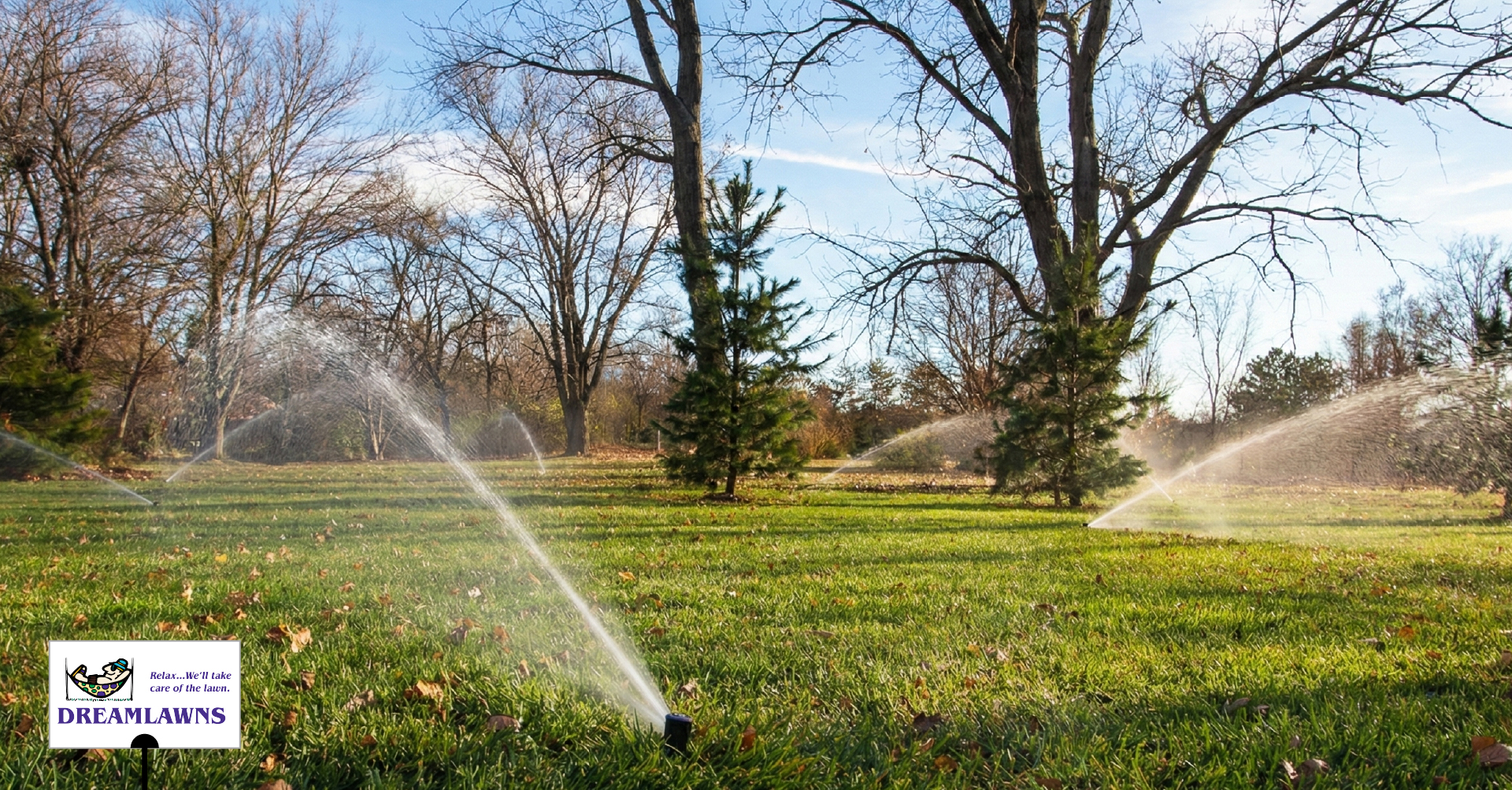
Dreamlawns Quick Cut: Even in November and December, Fescue lawns in Virginia Beach still need steady moisture. While cooler temperatures slow evaporation, roots remain active and rely on consistent hydration to store nutrients and stay healthy through winter. Warm-season lawns need far less water, but dry soil can still lead to stress during long rain-free periods. Monitor rainfall, water only when needed, and avoid irrigating before freezing conditions. Dreamlawns provides expert winter lawn care guidance to help homeowners understand when watering is necessary and how to support strong root development heading into spring.
As late fall arrives in Virginia Beach, many homeowners assume lawn watering season is finished. Temperatures cool, rainfall becomes more frequent, and it feels natural to shut off the irrigation system until spring. The truth is a little more complex. Fescue lawns continue slow but steady root growth through November and often into December, which means the soil still needs consistent moisture to support healthy turf going into winter.
Turning irrigation off too early can leave your lawn dry, stressed, or unable to fully benefit from fall fertilization. At the same time, watering without considering cooler temperatures, heavier dew, or recent rainfall can invite issues like fungal activity or compaction. Understanding how your lawn behaves in late fall and early winter is the key to making smart watering decisions.
Understanding Lawn Growth in Late Fall and Early Winter
Even though temperatures cool down significantly in November and December, Virginia Beach lawns are not all behaving the same way beneath the surface. The type of grass you have determines whether your yard still needs water this time of year, and understanding that difference is essential for making the right late-season decisions.
Fescue vs. Warm-Season Grass: How They Behave in Late Fall and Winter
- Cool-season grass like Tall Fescue is the most common turf type in Virginia Beach. It stays semi-active throughout the winter. Blade growth slows, but roots continue expanding, taking in nutrients, and storing energy for early spring. This root activity requires consistent soil moisture, even when top growth doesn’t look busy.
- Warm-season grasses like Bermuda or Zoysia behave very differently. Once soil temperatures drop below about 55°F, they enter full dormancy. Blade growth stops, color fades, and the lawn doesn’t require mowing or regular watering until spring. These grasses rely on moisture stored in the fall and whatever rainfall winter provides.
Because both turf types exist throughout the Tidewater area, many homeowners assume that irrigating in late fall is unnecessary. For Fescue lawns, that assumption can lead to stress, thinning, or poor spring green-up. For warm-season lawns, unnecessary watering can create soggy soil, encourage fungal issues, or promote weed activity during mild winter stretches.
What your lawn is still doing during November and December:
- Roots continue to grow and strengthen, especially in Fescue.
- Soil organisms remain active, supporting nutrient cycling.
- Energy storage is still underway, which is essential for spring recovery.
- Moisture levels influence how well fall fertilization is absorbed.
Late fall and early winter are transition periods, not shutdown periods. The key is finding the balance: supplying enough moisture for active root systems without oversaturating soil during cooler, slower-evaporating weather.
How Much Water Your Lawn Really Needs in November and December
Late fall and early winter bring cooler temperatures, heavier dew, and more consistent rainfall in Virginia Beach. Because of that, lawns need far less supplemental irrigation than they do in summer, but they don’t stop needing water altogether. The key is understanding how much moisture the soil actually requires this time of year.
General Watering Guidance for Fescue Lawns
Tall Fescue benefits from deep watering during dry spells with milder temperatures. That means you may only need to water occasionally, depending on the weather. If we experience a dry stretch or several windy days that pull moisture from the soil, a light watering may be necessary to keep roots hydrated.
Warm-Season Lawns Require Less
Dormant grasses like Bermuda or Zoysia typically need very little supplemental irrigation once winter sets in. They rely on stored moisture and natural rainfall. Overwatering warm-season lawns during dormancy can lead to soggy conditions, soil compaction, and increased weed activity during mild spells.
Why Does Watering Matter in November and December?
- Roots keep taking in moisture even when blades barely grow.
- Soil that becomes overly dry can limit nutrient absorption from fall fertilization.
- Dry soil is less insulated against cold snaps or frost events.
- Lawns stressed from drought in late fall often show patchiness or slow green-up in spring.
Tools That Help Prevent Over- or Under-Watering
- Rain gauge: Tracks weekly moisture to avoid unnecessary irrigation.
- Moisture meter: Shows soil hydration several inches below the surface.
- Soil probe or screwdriver test: If it slides in easily, moisture is adequate. If the soil is hard or powdery, watering may be needed.
In late fall and early winter, it’s less about maintaining a fixed watering schedule and more about responding to actual soil conditions. Monitoring rainfall and soil moisture ensures your lawn gets what it needs without encouraging disease or oversaturation.
Signs Your Lawn Still Needs Water in November and December
Even with cooler temperatures and heavier dew, your lawn can still dry out in late fall and early winter. Rainfall in Virginia Beach is inconsistent, and long stretches of sunny, windy days can pull moisture from the soil faster than you might expect. Paying attention to early warning signs helps you protect root health before winter dormancy sets in fully. Here are some clear indicators your lawn may need water:
- Grass blades look curled or grayish: This color shift is often the first sign of drought stress, even when temperatures are cool.
- The soil feels dry a few inches below the surface: Use a screwdriver, soil probe, or moisture meter. If the probe is difficult to push in or comes up powdery, moisture is needed.
- Footprints linger on the lawn: If your footprints or mower tracks stay visible longer than usual, the blades may be too dry to spring back.
- Newly seeded or overseeded areas dry out quickly: Young seedlings, especially Fescue, require consistent moisture until roots fully establish. Late-fall seeding still needs monitoring.
- Soil becomes hard or compacted: When soil dries out at the surface, it becomes harder for water to penetrate later. Occasional watering prevents this winter compaction cycle.
- Patchiness or thinning appears despite mild weather: This can indicate a lack of root hydration heading into dormancy, which affects recovery in spring.
Because Fescue remains semi-active through winter, these signs should not be ignored. Proper hydration now keeps the root system healthy, supports fall fertilization, and prepares the lawn for a stronger start next spring.
Best Practices for Watering in Cooler Weather
Watering in November and December is all about timing and moderation. Your lawn still needs moisture, but the cooler temperatures and slower evaporation mean watering habits must shift to avoid disease, compaction, and oversaturation. Follow these best practices to safely water your lawn in late fall and early winter:
- Water in the morning: Cooler air reduces evaporation, but morning watering gives turf time to dry out before evening. This limits fungus risk, especially in Virginia Beach’s humid coastal climate.
- Water deeply, but only when needed: Occasional deep watering keeps roots hydrated without encouraging shallow root systems. Watering only needs to be completed during dry spells on milder days where there is no threat of freezing temperatures.
- Rely more on natural rainfall: Late fall often brings steady rain, and heavy dew contributes additional moisture. Always check recent precipitation before turning the irrigation back on.
- Avoid watering before a freeze: Watering too close to a frost event can create ice on the surface, stress the turf, and compact soil. Only water when temperatures will remain above freezing for 24 hours.
- Stop watering if soil becomes saturated: If the soil remains soft or spongy, hold off on irrigation. Overwatering in cool temperatures leads to fungal activity and root decline.
- Reduce frequency before shutting down irrigation systems: Winterizing irrigation too early can cause root dehydration, but leaving it active through inconsistent cold snaps helps keep soil moisture balanced.
- Keep watering newly seeded areas lightly: If you overseeded in late fall, young seedlings need consistent moisture until roots establish. Short, gentle watering sessions are better than heavy irrigation.
These practices help protect your lawn from disease, overwatering, and avoidable winter stress while ensuring Fescue continues to get the moisture it needs to stay healthy.
Professional Guidance from Dreamlawns
Knowing when and how much to water in late fall and early winter can be surprisingly tricky. Weather patterns shift quickly in Virginia Beach, soil types vary across neighborhoods, and Fescue behaves differently from warm-season grasses. That is why many homeowners benefit from expert guidance during the transition into winter.
Dreamlawns does not manage irrigation systems, but we do help you understand exactly what your lawn needs this time of year. Our lawn care programs are designed to work hand-in-hand with proper watering habits, ensuring your turf stays healthy long after the growing season slows down. Here is how our team supports you during November and December:
- Moisture and soil health evaluations: We monitor how your soil is responding to cooler temperatures, fall fertilization, and recent rainfall so you know when watering is truly necessary.
- Seasonal recommendations based on local conditions: Virginia Beach’s mild coastal climate means lawns do not fully shut down in winter. We guide you on watering expectations tailored to your yard and turf type.
- Support for fall fertilization and overseeding: Proper watering ensures nutrients absorb correctly and that any newly seeded areas gain the moisture they need to establish roots before winter.
- Advice that complements your existing routine: Whether you water manually or use an irrigation system, our recommendations help you avoid overwatering, reduce disease risk, and maintain strong root development.
- Year-round lawn care programs: Our ongoing services keep your soil balanced, your lawn fertilized at the right times, and your turf protected from seasonal stress so every watering decision works toward a healthier yard.
Dreamlawns gives you the confidence to manage watering correctly in the months when homeowners often get it wrong. With expert support, your lawn heads into winter stronger and better prepared for early spring growth.
Keep Your Lawn Healthy and Happy This Winter
Watering in November and December is not something most homeowners think about, but for Virginia Beach lawns, it can make or break how well your turf enters winter and how quickly it rebounds in spring. Fescue continues slow root growth during this time and still relies on consistent moisture, even when blade growth has tapered off. Warm-season lawns require far less water, but they can still suffer from winter drought stress if the soil becomes too dry during long rain-free periods.
The key is balance. Knowing when to water, how much moisture your soil is already receiving, and how cooler temperatures affect evaporation helps you avoid both drought stress and overwatering. With the right late-season approach, your lawn stays healthier through winter and better prepared for the months ahead.
If you want expert guidance tailored to Virginia Beach’s climate, Dreamlawns is here to help. Our team evaluates soil conditions, supports fertilization and fall treatments, and provides professional winter lawn care recommendations that work alongside your watering routine. Contact us today for a customized plan that keeps your lawn hydrated, resilient, and ready for a strong spring green-up.
Dreamlawns provides superior lawn care service to Virginia Beach & Chesapeake VA residents.

