

Dreamlawns Quick Cut: Grass that turns brown in winter is often dormant, not dead. Dormant grass stays rooted and recovers when temperatures rise, while dead grass pulls up easily and appears in irregular patches. Excess moisture, disease, compaction, and winter stress can cause real damage. Understanding the difference helps homeowners avoid unnecessary treatments and plan the right care for spring recovery.
Winter can be unsettling for homeowners when it comes to lawn appearance. Grass that was green and healthy in the fall may suddenly look brown, thin, or patchy, leading many people to worry that their lawn has died. In Virginia Beach, this concern is especially common because our winters are mild enough to keep lawns active at times, but cold enough to slow growth and change color.
In many cases, what looks like dead grass is actually dormant turf responding naturally to cooler temperatures and shorter days. Dormancy is a normal survival process that helps grass conserve energy until conditions improve. However, winter can also expose real problems such as disease, compaction, or moisture-related damage that weaken the lawn beneath the surface.
Knowing the difference between dormant and dead grass is important. It helps homeowners avoid unnecessary treatments, reduce stress on the turf, and make informed decisions about winter and spring lawn care. Understanding what your lawn is doing during winter is the first step toward a healthier recovery when the growing season returns.
What Does Dormant Grass Mean?
Dormant grass is not dead. Dormancy is a natural survival response that allows grass to conserve energy during unfavorable conditions, including cold temperatures, limited sunlight, or drought. When grass goes dormant, growth slows significantly, and the lawn may change color, but the plant itself remains alive beneath the surface.
In Virginia Beach, dormancy can look different depending on the type of grass in your lawn.
- For warm-season grasses like Bermuda, Zoysia, and St. Augustine, dormancy is expected during winter. These grasses naturally turn brown as temperatures drop, even if they were healthy going into the colder months. While the blades lose color, the root system stays alive, storing energy until soil temperatures rise again in spring.
- For cool-season fescue, dormancy is less pronounced. Fescue often stays green through much of the winter, especially during mild periods. However, growth still slows, and color may fade slightly. Short stretches of cold weather can cause temporary discoloration that resolves once temperatures rebound.
Dormant grass typically has a uniform appearance across the lawn. The color change happens evenly, and the turf still feels anchored in the soil. With proper care and favorable conditions, dormant grass will resume normal growth when temperatures and daylight increase.
What Causes Grass to Die in Winter?
While dormancy is normal, grass can suffer real damage or die during winter when underlying issues weaken the turf. In Virginia Beach, winter lawn damage is often caused by a combination of environmental stress and avoidable mistakes rather than extreme cold alone.
- Excess Moisture and Poor Drainage: One of the most common causes of winter lawn damage is prolonged moisture. Heavy rain, saturated soil, and poor drainage can suffocate roots by limiting oxygen in the soil. When roots cannot breathe, turf weakens and becomes more vulnerable to disease and rot. Low spots and compacted areas are usually the first to show damage.
- Winter Lawn Diseases: Fungal diseases thrive in cool, damp conditions. Lawns that remain wet for long periods are at higher risk for diseases that can damage or kill turf over winter. These diseases often develop quietly and become more visible once growth resumes in spring.
- Soil Compaction: Walking, parking, or placing heavy objects on wet or frozen grass compresses the soil. Compaction restricts root growth, reduces nutrient uptake, and prevents proper drainage. Over time, this stress can cause thinning and bare areas that do not recover on their own.
- Traffic and Physical Damage: Dormant or slow-growing grass does not repair itself easily. Foot traffic, pets, or equipment use during winter can tear blades and crowns, especially when the soil is soft or frozen. Damage from traffic often appears as dead patches rather than uniform discoloration.
- Nutrient Deficiencies: Grass that enters winter already weakened by poor nutrition is less likely to survive seasonal stress. Without adequate nutrients stored in the roots, turf struggles to recover from moisture, disease pressure, and temperature swings.
Why Winter Damage Often Appears Later
In many cases, grass does not look dead during winter. Damage becomes more obvious in early spring when the surrounding turf begins to green up and affected areas fail to recover. This delayed response often leads homeowners to believe the lawn died suddenly, when the damage actually occurred months earlier.
Dormant vs. Dead Grass: Key Differences to Look For
Telling the difference between dormant and dead grass in winter comes down to a few simple observations. While both can look similar at first glance, there are clear signs that help determine whether your lawn will recover on its own or needs attention.
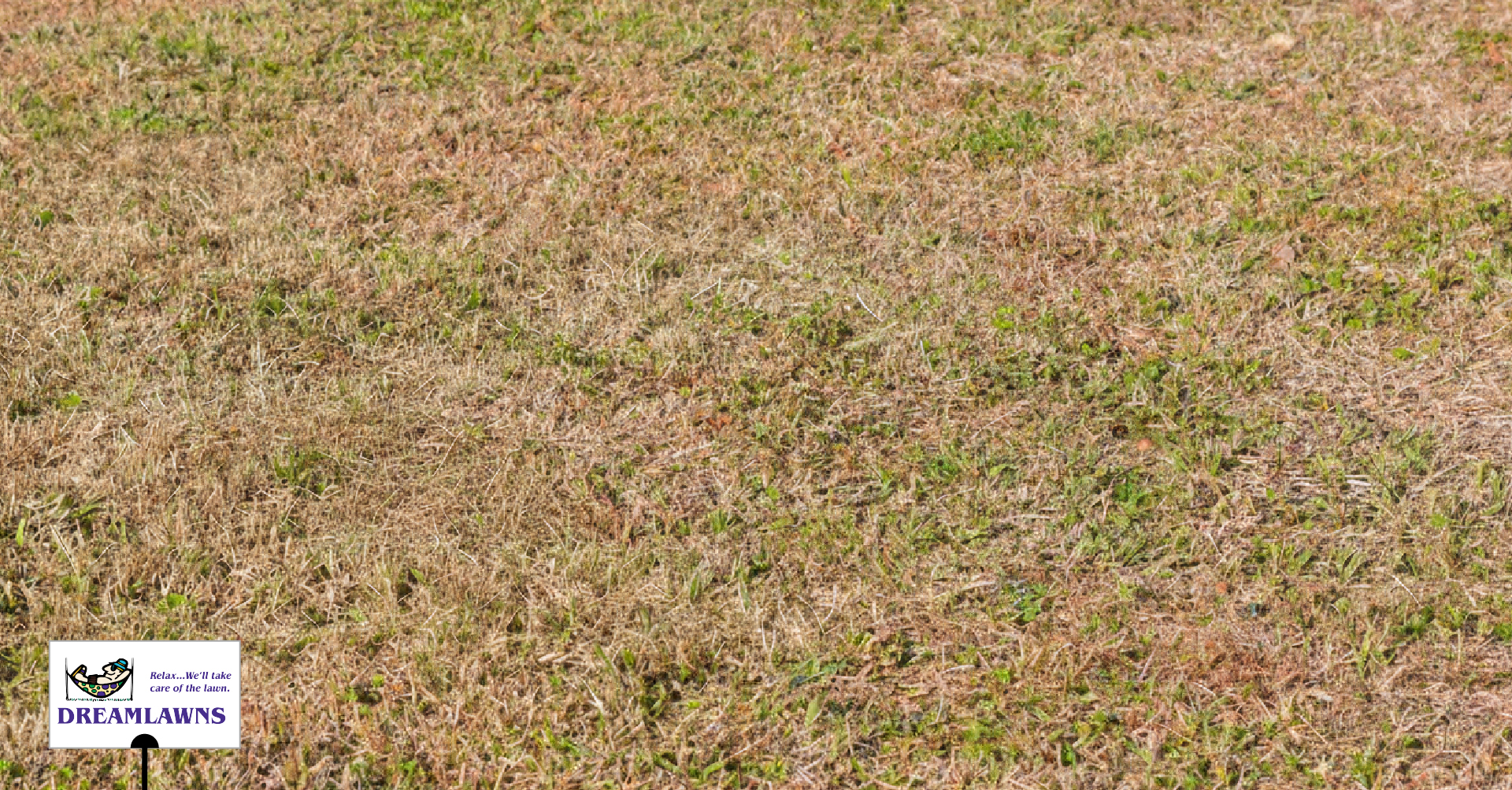
- Color and Overall Appearance: Dormant grass usually changes color evenly across the lawn. Warm-season grasses typically turn a uniform tan or light brown, while fescue may fade slightly but often retains some green. Dead grass tends to appear in irregular patches that stand out from the surrounding turf. If only certain areas look severely discolored while the rest of the lawn appears normal for the season, damage is more likely than dormancy.
- Texture and Flexibility: Dormant grass blades are dry but still flexible. When you bend them, they may feel stiff, but they should not crumble easily. Dead grass often feels brittle and breaks apart when handled.
- The Tug Test: One of the simplest ways to check lawn health is the tug test. Gently pull on the grass in a questionable area.
- If the grass resists and stays rooted, it is likely dormant.
- If it pulls out easily with little resistance, the grass is likely dead due to root damage.
Healthy roots anchor the turf, even during dormancy.
- Growth Pattern: Dormancy typically affects the lawn evenly. Damage usually appears as uneven patches, streaks, or circular areas. These irregular patterns often indicate disease, moisture problems, or traffic damage rather than normal seasonal dormancy.
- Timing of Recovery: Dormant grass begins to recover when temperatures and daylight increase. Warm-season grasses green up in late spring, while fescue responds earlier. If an area fails to show signs of recovery while the surrounding turf improves, it may be dead and require corrective action.
Understanding these differences helps homeowners avoid unnecessary treatments and focus on the right solutions at the right time.
Common Winter Lawn Mistakes That Can Turn Dormant Grass Into Dead Grass
In many cases, winter lawn damage is not caused by weather alone. Everyday habits and small mistakes during the colder months can turn healthy, dormant grass into permanently damaged turf. Being mindful of how your lawn is treated in winter can make a big difference in how well it recovers in spring.
- Walking on Frozen or Saturated Turf: When grass is dormant, it cannot repair itself easily. Walking on frozen or waterlogged turf can crush grass crowns and compact the soil beneath the surface. This type of damage often leads to thinning or bare patches that struggle to recover once growth resumes.
- Overwatering During Winter: Lawns require far less water in winter, especially during rainy periods. Overwatering keeps soil saturated, limits oxygen in the root zone, and increases the risk of root rot and fungal disease. In Virginia Beach, winter rainfall often provides all the moisture a lawn needs.
- Letting Leaves and Debris Sit Too Long: Leaves, branches, and yard debris trap moisture against the grass. When left in place, they block sunlight, restrict airflow, and create ideal conditions for disease. Extended coverage can smother turf and cause dead spots that remain visible in spring.
- Ignoring Drainage Issues: Low spots and compacted areas that hold water through winter often suffer the most damage. Standing water weakens roots and promotes disease. Without addressing these areas, even healthy turf can decline over time.
- Skipping Winter Weed Management: Winter weeds compete with turf for nutrients and moisture. If left unmanaged, they can weaken the lawn and leave thin areas once removed. Planning for winter weed suppression helps preserve turf density and reduces stress during the colder months.
Avoiding these common mistakes helps ensure your lawn stays dormant rather than damaged. Simple adjustments during winter can protect turf health and make spring recovery much smoother.
What Homeowners Should Do If They’re Unsure
It is not always easy to tell whether winter discoloration is normal dormancy or a sign of real damage. In many cases, the best approach is to observe the lawn carefully and avoid rushing into aggressive treatments.
Start by monitoring how the lawn responds as winter progresses. Dormant grass typically remains anchored in the soil and shows consistent coloration across large areas. As temperatures begin to warm, dormant turf should gradually regain color and density. Performing simple checks, like the tug test or looking for uniformity across the lawn, can provide helpful clues.
If certain areas remain thin, pull up easily, or fail to show signs of improvement while the rest of the lawn begins to recover, damage may be present. These issues are often tied to underlying problems such as excess moisture, compaction, or disease that developed earlier in the season.
When uncertainty remains, the most important thing is not to guess. Applying the wrong treatment at the wrong time can increase stress and delay recovery. This is where a professional evaluation becomes especially valuable, helping distinguish normal seasonal behavior from problems that require intervention. That early diagnosis can make the difference between a lawn that recovers naturally and one that struggles well into the growing season.
How Dreamlawns Helps Diagnose and Restore Winter Lawns
At Dreamlawns, we help Virginia Beach homeowners take the guesswork out of winter lawn concerns. Our team understands how local turf types behave during winter and how to identify the difference between dormancy and true damage.
We start with a thorough evaluation of the lawn, looking at turf type, soil conditions, moisture levels, drainage patterns, and signs of disease or compaction. This allows us to determine whether the grass is simply dormant or if underlying issues are preventing recovery.
When dormancy is the cause, we focus on protecting the lawn until active growth resumes. When damage is present, we develop a recovery plan designed to restore turf health without unnecessary stress. This may include adjustments to fertilization timing, weed management, drainage recommendations, or disease prevention strategies based on the lawn’s specific needs.
Just as important, we help homeowners avoid common winter mistakes that can worsen damage. By providing guidance throughout the off-season and into spring, we ensure lawns are positioned for the strongest possible recovery.
Understanding what your lawn is experiencing during winter is the first step toward a healthy growing season. With expert evaluation and a thoughtful plan, most winter lawn concerns can be resolved before they become long-term problems.
Work With Us
Seeing brown or thinning grass in winter can be stressful, especially when it is unclear whether your lawn is dormant or permanently damaged. The difference matters, and making the wrong call can lead to unnecessary treatments, added stress on the turf, or missed opportunities for recovery.
At Dreamlawns, we help Virginia Beach homeowners understand what their lawn is actually experiencing during winter. Our team evaluates turf type, soil conditions, moisture levels, and seasonal stress factors to determine whether grass is simply dormant or needs targeted support. From there, we provide clear recommendations based on what will benefit the lawn now and what will set it up for success in spring.
Winter is an ideal time to assess lawn health, address underlying issues, and plan ahead. With professional guidance, many winter lawn concerns can be resolved before they turn into long-term problems. Whether your lawn needs monitoring, preventive care, or a recovery plan, we focus on the right solution at the right time.
If you are unsure about the condition of your lawn this winter, Dreamlawns is here to help. Contact us to schedule an evaluation and take the first step toward a healthier lawn when the growing season returns.
Dreamlawns provides superior lawn care service to Virginia Beach & Chesapeake VA residents.

