


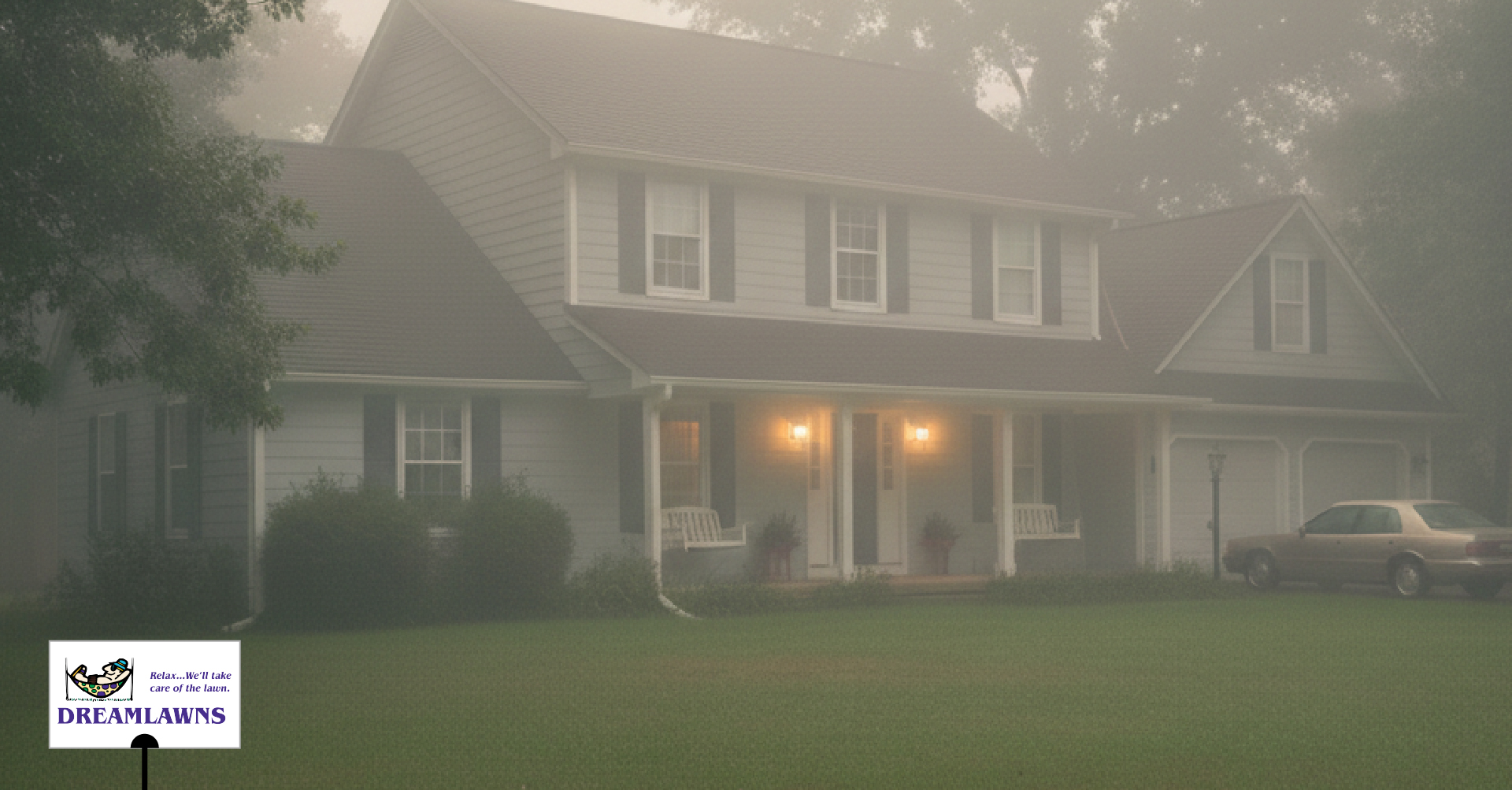
Dreamlawns Quick Cut: High humidity in Virginia Beach creates conditions that keep your lawn wet longer, increase fungal disease pressure, weaken turf, and slow recovery during the hottest months of the year. Proper mowing, watering, aeration, and preventive fungicide treatments are essential for managing moisture-driven stress. Dreamlawns offers customized lawn care programs designed to protect your turf from humidity and keep it healthy year-round.
Humidity is one of the most influential factors affecting your lawn’s health in Virginia Beach, yet most homeowners do not realize how much it impacts turf performance. Our coastal climate brings long stretches of high humidity from late spring through early fall, and those elevated moisture levels in the air create conditions that can stress your lawn, encourage fungal diseases, and slow its ability to recover from heat or heavy rainfall.
When humidity stays high, grass blades hold moisture longer, soil dries more slowly, and the turf canopy becomes a breeding ground for fungi and pests. Even well-maintained lawns can struggle under these conditions without proper care. Understanding how humidity affects your lawn is the first step toward protecting it during the most challenging months of the year. A healthier lawn starts with knowing how moisture in the air influences what happens on the ground.
What Is Humidity and Why Does It Affect Turf?
Humidity refers to the amount of moisture present in the air. In Virginia Beach, humidity levels run high for much of the year due to our proximity to the Atlantic Ocean and the warm, moisture-rich air that moves through the Tidewater region. When humidity rises, the air becomes saturated with moisture, making it harder for water on your lawn to evaporate. Two key factors influence how humidity affects your grass:
- Relative Humidity: Relative humidity describes how much moisture the air holds compared to the maximum amount it can hold at a given temperature. High relative humidity means the air is close to being fully saturated, which slows down evaporation and keeps your lawn wet longer.
- Dew Point: Dew point is the temperature at which moisture in the air condenses and forms dew. Warm, humid nights often push us close to the dew point, creating heavy morning dew that lingers well into the day.
When the air already contains a lot of moisture, your lawn cannot dry out as efficiently. This creates consistently damp conditions in the turf canopy, especially after watering or rain. Moisture that lingers on grass blades, soil surfaces, and thatch layers becomes a perfect environment for fungal diseases, root stress, and pest activity.
Humidity also interferes with your lawn’s natural processes. Grass relies on a balance of air, water, and nutrients to stay healthy. When the air is overly moist, the turf struggles to release excess water and regulate temperature, which can lead to stress during hot, humid periods.
Understanding how humidity interacts with your lawn gives you the knowledge to adjust your watering habits, mowing practices, and seasonal care to protect your turf during the most challenging times of the year.
How High Humidity Impacts Fescue vs. Warm-Season Lawns
Humidity does not affect all grass types the same way. In Virginia Beach, most lawns fall into two categories: cool-season grasses like fescue or warm-season grasses like Bermuda, Zoysia, and St. Augustine. Each turf type responds differently to heat and moisture, which means humidity can lead to unique challenges depending on the kind of grass you have.
How Humidity Affects Fescue (Cool-Season Turf)
Fescue stays active during spring and fall but struggles through Virginia Beach’s humid summers. When humidity rises, fescue becomes far more susceptible to stress and fungal disease.
Higher Disease Pressure: Fescue is highly vulnerable to humidity-related fungal issues, such as:
- Brown Patch
- Gray Leaf Spot
- Pythium Blight
- Red Thread
Because fescue does not go dormant in summer, these diseases can spread rapidly when the turf stays moist for extended periods.
Reduced Ability to Dry Out: Fescue has a denser, softer blade structure that holds onto moisture longer than warm-season grasses. On humid mornings, dew may stay on fescue well past midday, creating ideal conditions for fungi.
Increased Heat Stress: Humidity traps heat in the turf canopy. Combined with Virginia Beach’s summer temperatures, this leads to wilting, thinning, and discoloration. Even well-fertilized fescue can decline quickly under extended humidity.
How Humidity Affects Warm-Season Grasses (Bermuda, Zoysia, St. Augustine)
Warm-season lawns are better adapted to handle heat and humidity, but they are not immune to moisture-driven issues.
Disease Still Thrives: Warm-season grasses are commonly affected by:
- Dollar Spot
- Leaf Spot diseases
- Large Patch (during cooler humid periods)
Humidity creates a damp microclimate inside dense warm-season turf, allowing these diseases to develop even when the lawn appears otherwise healthy.
Longer Drying Times in Thick Turf: Warm-season grasses grow thick and dense, which slows air movement across the soil. In humid conditions, this density traps moisture near the crown of the plant, increasing the likelihood of disease and shallow rooting.
Slower Recovery From Stress: While warm-season grasses are tough, extreme humidity combined with heavy rainfall or dull mowing equipment can stunt growth and slow recovery.
Why This Matters for Homeowners
Because fescue and warm-season lawns respond differently to humidity, they also require different care strategies. Fescue needs more protection during the humid months, especially with fungicides and proper watering techniques. Warm-season grasses need disease monitoring, good airflow, and careful mowing practices to prevent moisture from lingering in the turf canopy.
The Most Common Humidity-Driven Problems for Virginia Beach Lawns
High humidity is one of the biggest stressors for lawns in Virginia Beach. When moisture lingers in the turf canopy or soil for long periods, several predictable problems appear. Even lawns that are well-maintained can struggle during stretches of hot, humid weather. Understanding these issues helps homeowners stay ahead of them.
Fungal Lawn Diseases
Humidity is the leading cause of fungal activity in coastal Virginia. When the air remains saturated, grass blades stay wet longer, creating ideal conditions for diseases to spread. Some of the most common humidity-related diseases include:
- Brown Patch: Brown Patch is one of the most aggressive diseases in fescue during humid summers. It spreads quickly when nighttime temperatures stay above 70 degrees and humidity remains high.
- Gray Leaf Spot: This disease thrives in hot, wet, still air. It can damage fescue in a matter of days when humidity spikes.
- Dollar Spot: More common in warm-season turf, Dollar Spot forms when humidity lingers on the leaf surface overnight.
- Pythium Blight: Often called “grease spot disease,” Pythium Blight develops rapidly in extreme humidity and can devastate turf if not treated early.
Fungal diseases thrive when humidity is high because the turf canopy never has a chance to fully dry, especially overnight.
Slower Drying Time
When humidity is high, evaporation slows down dramatically. This keeps your lawn damp longer after:
- irrigation
- rainfall
- morning dew
A constantly wet lawn creates an environment where disease, rot, and insect activity increase. Slow drying also means homeowners must be more strategic with watering.
Thatch Buildup
Thatch is a layer of dead and living organic matter that sits between the soil and the grass blades. Humidity contributes to thatch buildup in two ways:
- Wet grass clippings decompose more slowly when the humidity is high.
- Thick, moist thatch traps heat and water, which encourages more fungal activity.
Once thatch becomes too thick, it suffocates the turf and prevents nutrients and water from reaching the root zone.
Weaker Roots and Turf Stress
Humidity itself puts the lawn under stress. When moisture hangs in the air, the turf has difficulty releasing water and regulating temperature. This leads to:
- shallow root growth
- reduced nutrient uptake
- increased wilting and yellowing
- slower recovery from mowing or foot traffic
When roots are weakened during humid periods, lawns often enter the fall and winter seasons less healthy than they should be.
High humidity may be a normal part of life in Virginia Beach, but its effects on your lawn are anything but harmless. Fortunately, the right care and management practices can significantly reduce humidity-related damage.
How Homeowners Can Manage Humidity-Related Lawn Stress
While Virginia Beach’s humidity is unavoidable, homeowners can take several practical steps to reduce its impact on their lawn. The goal is to help the turf dry more efficiently, strengthen the root system, and limit the conditions that allow moisture to linger. Even small changes in lawn care habits can make a noticeable difference during humid months.
Improve Airflow Across the Lawn
Increasing airflow is one of the most effective ways to help turf dry faster.
- Trim Low Branches: Branches that hang too low trap humidity near the ground and prevent sunlight from reaching the turf.
- Thin Dense Shrubs and Overgrown Areas: Dense vegetation slows down airflow and keeps moisture bottled up around the lawn.
- Address Shaded, Still Areas: Lawns that stay shaded until late morning tend to hold dew longer. Opening up these spaces improves drying time and reduces fungal pressure.
Improved airflow helps break the moisture cycle that fuels so many humidity-related issues.
Adjust Watering Practices
Overwatering is one of the most common mistakes homeowners make during humid periods.
- Water Only in the Early Morning: This gives the turf the entire day to dry and reduces the window of time that foliage stays wet.
- Reduce Watering Frequency During Humid Stretches: If humidity is extremely high, the lawn may not need watering even if temperatures are warm.
- Use Deep, Infrequent Watering: This encourages deeper root growth and reduces moisture sitting at the surface.
The goal is to water just enough to support the turf without contributing to excess dampness.
Mow at the Right Height and Frequency
Humidity makes mowing more sensitive, and improper mowing can worsen turf issues.
- Mow Fescue Higher in Summer: Keeping fescue around 3.5 to 4 inches helps shade the soil and protects roots from heat and humidity stress.
- Never Mow When the Grass Is Wet: Mowing wet grass spreads fungal spores, clogs mowers, and creates uneven cuts that weaken the lawn.
- Keep Mower Blades Sharp: A clean cut helps the lawn heal quickly, reducing stress and disease susceptibility.
Healthy mowing habits strengthen your lawn’s ability to handle humidity.
Managing humidity is all about setting the lawn up for success and reducing the conditions that allow moisture to linger. With proper cultural practices and seasonal support, homeowners can significantly improve their lawn’s resilience during humid months.
Dreamlawns’ Approach to Lawn Care in High-Humidity Conditions
High humidity is one of the biggest contributors to lawn disease in Virginia Beach, and managing it effectively requires a combination of proper cultural practices, nutrient management, and timely treatments. At Dreamlawns, we tailor our lawn care programs to match the unique humidity patterns of our coastal climate, ensuring your turf stays healthier and more resilient during the most challenging months of the year.
Fungicide Programs Designed for Humid Climates
Humidity-driven diseases like Brown Patch, Gray Leaf Spot, Dollar Spot, and Pythium can develop almost overnight. Once symptoms appear, recovery can be slow and unpredictable, which is why fungicides are most effective when applied preventively. Our fungicide program focuses on:
- Consistent, Timely Applications: Disease prevention relies on staying ahead of humidity spikes. We schedule fungicides during peak pressure periods so your lawn is protected before fungi have a chance to spread.
- Protection for Both Fescue and Warm-Season Turf: Fescue lawns are especially vulnerable to humidity-based diseases and benefit greatly from routine fungicide applications. Warm-season grasses, while more tolerant of heat, still require protection from Dollar Spot and large patch outbreaks.
- Supporting Lawn Health, Not Masking Problems: Fungicides suppress disease activity, but they work best when paired with proper mowing, watering, and seasonal fertilization. Our programs emphasize full lawn care, not a quick fix.
By targeting disease pressure at the right times, we help your lawn stay greener, thicker, and more resilient through Virginia Beach’s humid summers.
Balanced Fertilization and Seasonal Adjustments
Nutrient management plays a major role in how turf responds to humidity. Too much nitrogen during hot, humid periods increases fungal activity, while too little leaves turf weak and slow to recover. Dreamlawns applies fertilizers carefully throughout the year, ensuring your grass receives what it needs when it needs it, without boosting disease risk.
Aeration, Weed Control, and Moisture Management
Humidity issues become worse when lawns cannot breathe or dry out properly. Our lawn care programs address this by:
- relieving compaction through scheduled aeration
- reducing competition from weeds that trap moisture
- improving soil structure and drainage
- monitoring areas where humidity lingers more than others
These combined practices create conditions where your lawn can better withstand prolonged moisture in the air.
Customized Property Assessments
No two lawns respond to humidity the same way. Shaded areas, airflow patterns, soil type, and irrigation habits all play a role in disease pressure. Dreamlawns evaluates your property to identify humidity-related risk factors and designs a program that supports long-term turf health.
When humidity is high, your lawn needs more than basic maintenance. It needs a strategy. Dreamlawns provides the treatments, timing, and expertise to help your grass stay healthy and resilient, even during Virginia Beach’s most humid months.
Work With Us
Humidity is one of the most challenging environmental factors for lawns in Virginia Beach. When moisture lingers in the air and on the turf, diseases spread faster, grass stays wet longer, and even well-maintained lawns can begin to thin out or discolor. Managing these conditions requires a proactive approach and consistent care throughout the year.
At Dreamlawns, we understand how Virginia Beach’s humid climate affects your lawn, and we build our programs around preventing the problems that high humidity creates. From carefully timed fungicide applications to balanced fertilization, aeration, weed control, and ongoing property assessments, our team works to strengthen your lawn so it can withstand moisture, heat, and seasonal stress.
Whether you have fescue that struggles through humid summers or warm-season turf that needs protection from disease and moisture buildup, we tailor our services to match the needs of your lawn and the conditions of your property. Our goal is to help you maintain a healthy, resilient landscape that stays strong even when humidity levels are at their highest.
If you want expert support managing humidity-related lawn challenges, we’re here to help. Contact us today to get started with a customized lawn care plan designed specifically for Virginia Beach’s climate.
Dreamlawns provides superior lawn care service to Virginia Beach & Chesapeake VA residents.

