


News and tips for your lawn this spring.

- Fescue lawns are growing and shining! Be sure to keep them mowed.
- Warm-season grasses are getting ready to emerge from dormancy.
- Summer weeds are starting to pop up. Our apps should keep them at bay. Be sure to call us if you see any weeds in your lawn.
- Disease and harmful insects are starting to appear in both grass and trees & shrubs.
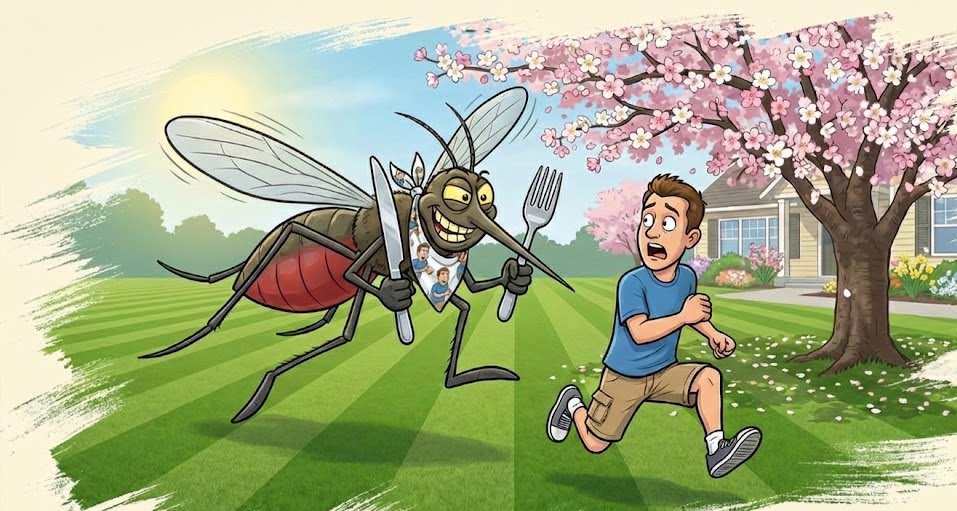
- Mosquitoes are tying on their bibs and preparing to feast.
- Sedges are beginning to grow. Our standard turf programs should keep them out of your lawn. If you see them in your flowerbeds, please call us for options.
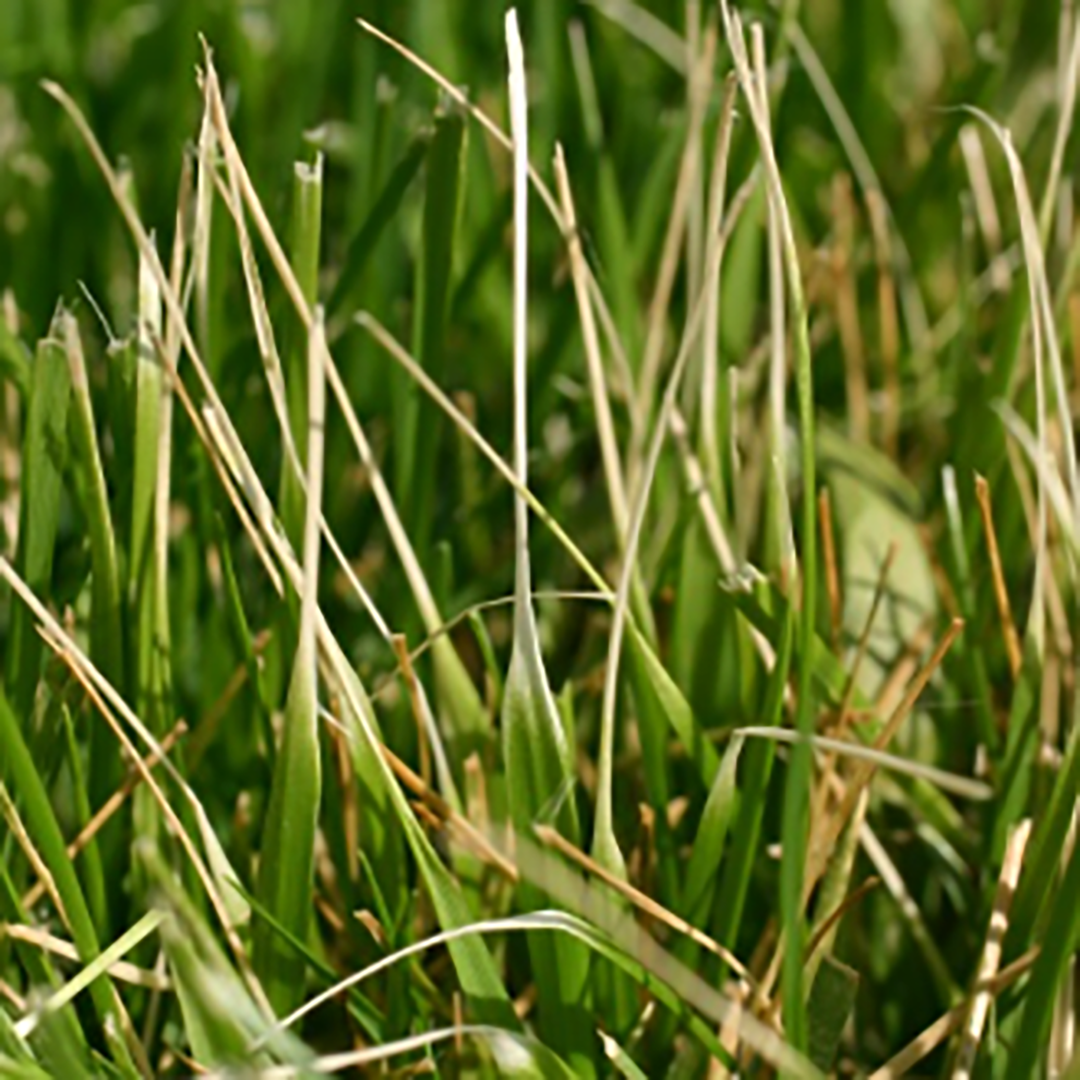
Mowing Helps To Remove Damaged Leaf Tissue
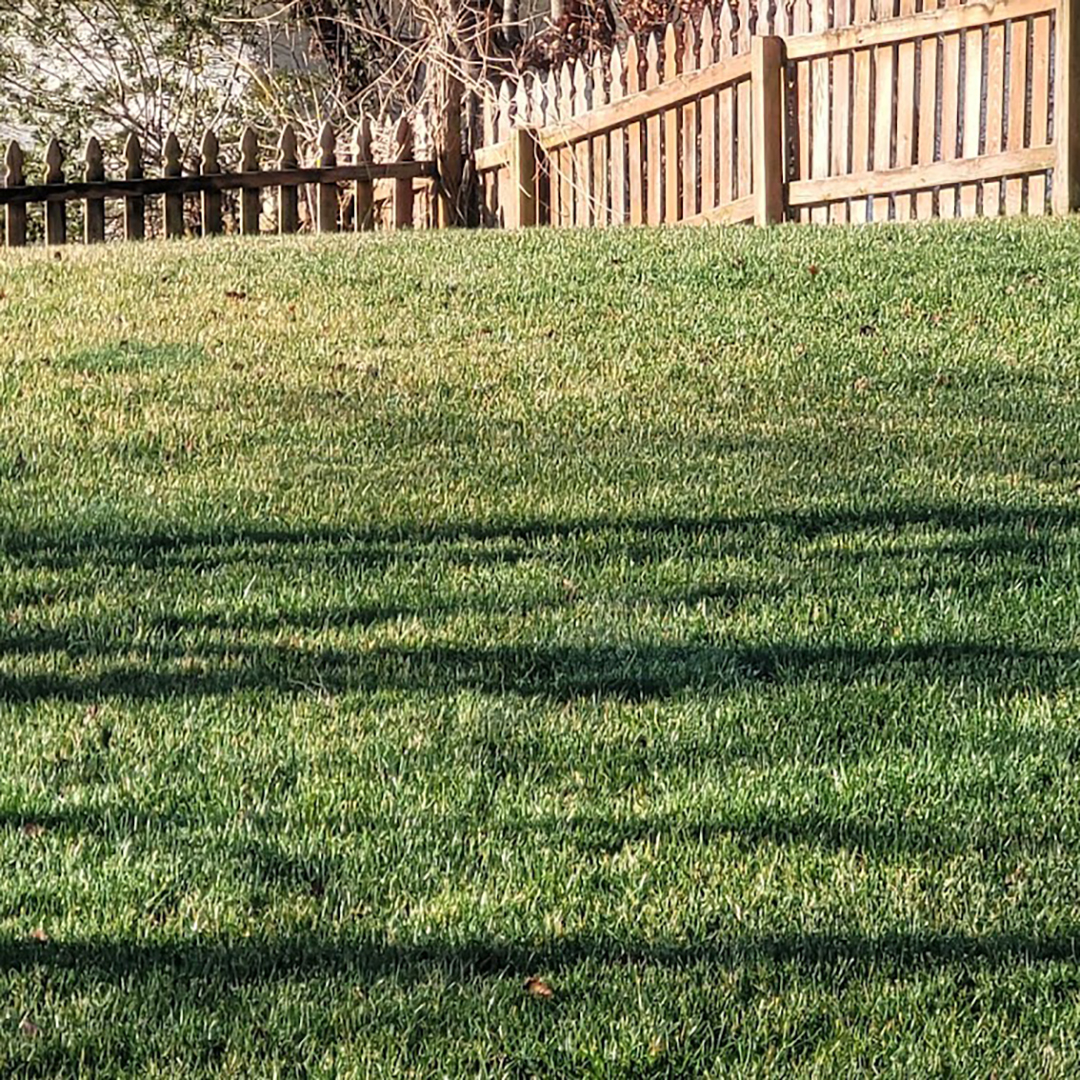
Winter in Hampton Roads can be surprisingly rough for fescue. It rarely gets cold enough to cause actual winter kill but fescue lawns can still experience a range of issues in this season:
Color Loss from Temperature Swings & Drying Winds
- Frequent temperature swings can cause your lawn to deplete its nutrient reserves as it vacillates between “spring” growth during warm spells & semi-dormancy during cold snaps.
- Cold, drying winds can dessicate leaf tissue, leaving the tips of the plant brown and shriveled.
Oxygen Depletion from Soil Saturation
- Frequent heavy rain drives free oxygen from the soil, causing significant winter discoloration.
Mowing Helps To Remove Damaged Leaf Tissue
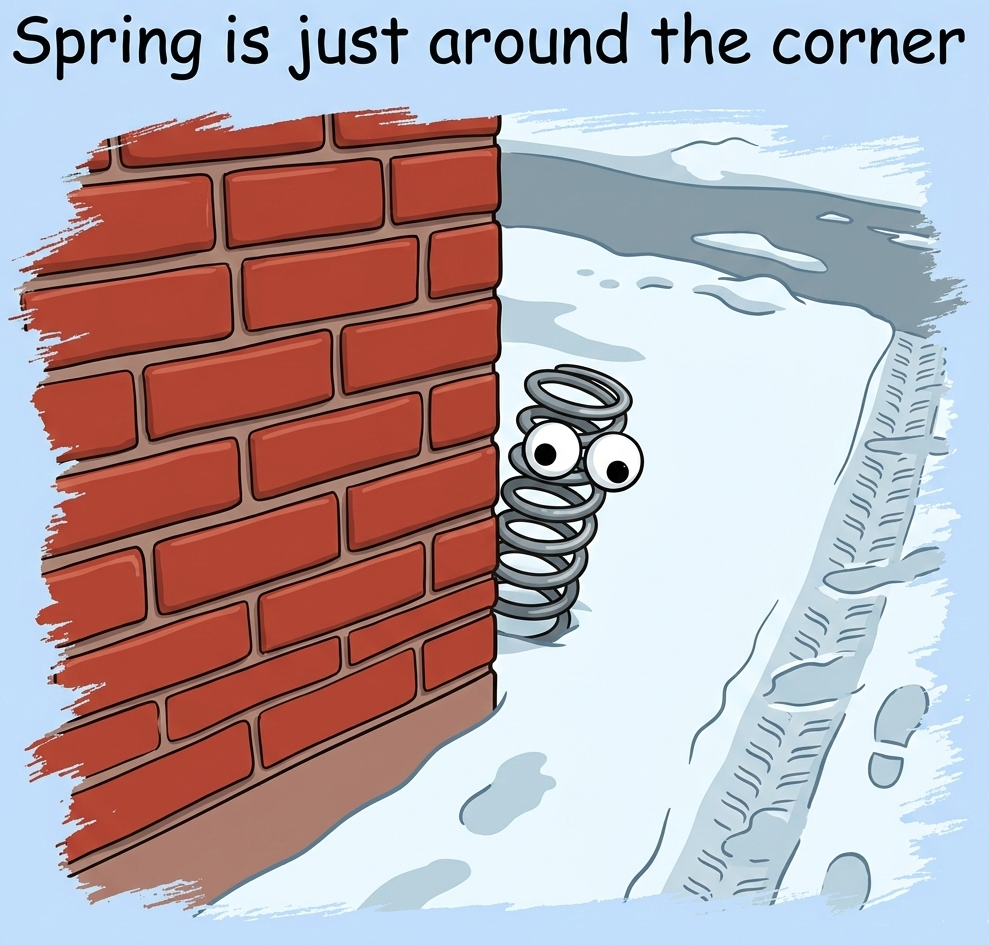
While warm weather and our controlled-release fertilizers will help, the biggest improvements will result from regular mowing.
- Mowing will remove the damaged leaf tissue, reducing the metabolic cost to the plant.
- All fescue lawns should be mowed occasionally throughout winter.
- Fescue should be mowed weekly starting in March.
- Please be sure to mow at appropriate heights ( 3 1/2 – 4 inches).
- Mower blades should be sharp.

- Dreamlawns closely monitors weather conditions.
- We stand behind all of our applications.
- We will never complete an application that we don’t believe will be effective.
- Many applications (such as our spring pre-emergents) need to be watered in.
- Few will be adversely affected by rainfall.
We really do know what we’re doing. Please allow us to schedule your applications as needed. There is no need to call us for a reschedule simply because rain is forecasted.
Relax… We’ll Take Care Of The Lawn

In an effort to manage increasing processing costs, in summer 2026, Dreamlawns will begin applying a credit card processing fee to credit card transactions. We will continue to offer cash, check, and ACH payment options with no additional fees. We truly appreciate your continued business and understanding!

- Mushrooms are not a sign of fungal disease and do not generally cause problems for turf.
- Mushrooms do not respond to fungicides and cannot be treated as part of a disease control program.
- Some mushrooms are toxic. Please don’t eat mushrooms that you find on your lawn. Dreamlawns cannot help you identify edible mushrooms.
- Mushrooms are a sign of naturally decaying organic matter in the soil, often wood chips from old tree stumps.
- Sometimes, improving soil drainage can help resolve mushrooms.
- Mushrooms will go away on their own as the organic matter is depleted or when the soil moisture falls below their acceptable threshold.

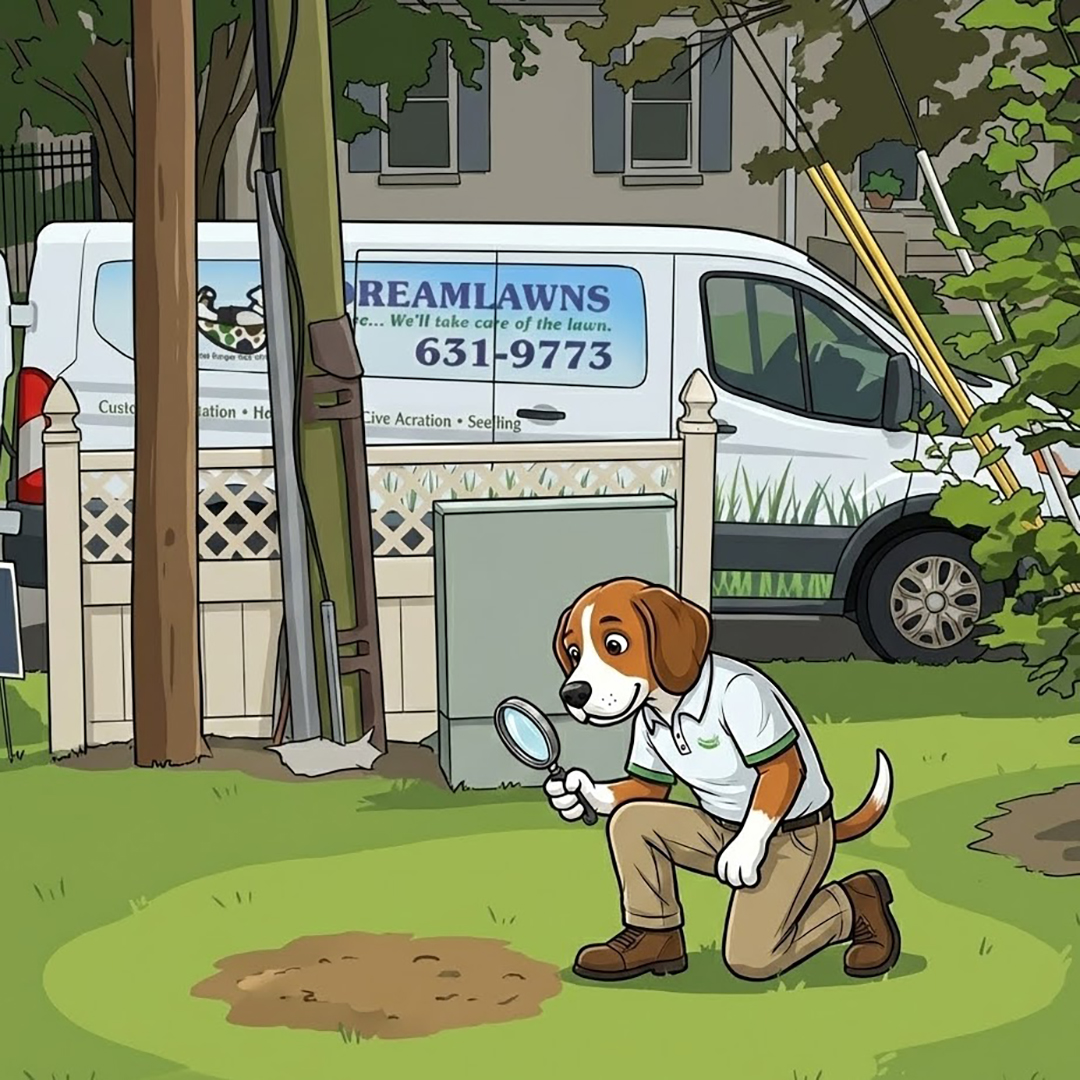
Dealing with moles can be a frustrating game of backyard “Whac-A-Mole,” but understanding their behavior is the first step toward reclaiming your lawn. Here is a summary of what you need to know:
- Dietary Misconceptions: Many homeowners apply grub treatments hoping to starve out moles. However, this is largely ineffective because a mole’s diet consists primarily of earthworms and nightcrawlers, not grubs.
- The “Gum” Myth: Common home remedies, such as dropping juicy fruit chewing gum into tunnels, are completely ineffective. Moles are insectivores and won’t be tricked or harmed by gum.
- Castor Oil Repellents: These can occasionally work to move moles along, but they require extreme persistence. To see results, they must be reapplied every 3–6 weeks indefinitely.
- Low Impact: While the “molehills” are an eyesore, moles generally do not cause significant long-term issues for the health of your soil or grass. In fact, they provide natural aeration and can reduce populations of some larvae.
- Professional Help: For severe infestations where the tunneling is excessive, wildlife removal companies are usually the best option. They have the specialized traps and experience required to solve the problem more reliably than DIY methods.
- Crabgrass control. The pre-emergents that we use in rounds 1 & 2 prevent the overwhelming majority of crabgrass. Customers missing these apps may have issues with this aggressive grassy weed.
- We’re also spraying turf for broadleaf weeds and sedges. Did you know that most of our “competitors” charge extra for sedge control?
- Fescue lawns are getting small amounts of slow-release nitrogen as well as a micronutrient package to help sustain spring growth.
- Warm-season lawns are mostly dormant until close to the end of this time period. As they begin to wake up, we’ll ramp up their nutrients to jump-start and sustain growth.

- Spring aeration and soil-enhancing compost for warm-season lawns to help ease soil compaction.
- Turf-damaging insect & disease control applications will start in April to protect fescue & some warm-season lawns.
- Bermuda growth regulator applications to reduce mowing requirements or improve turf quality.
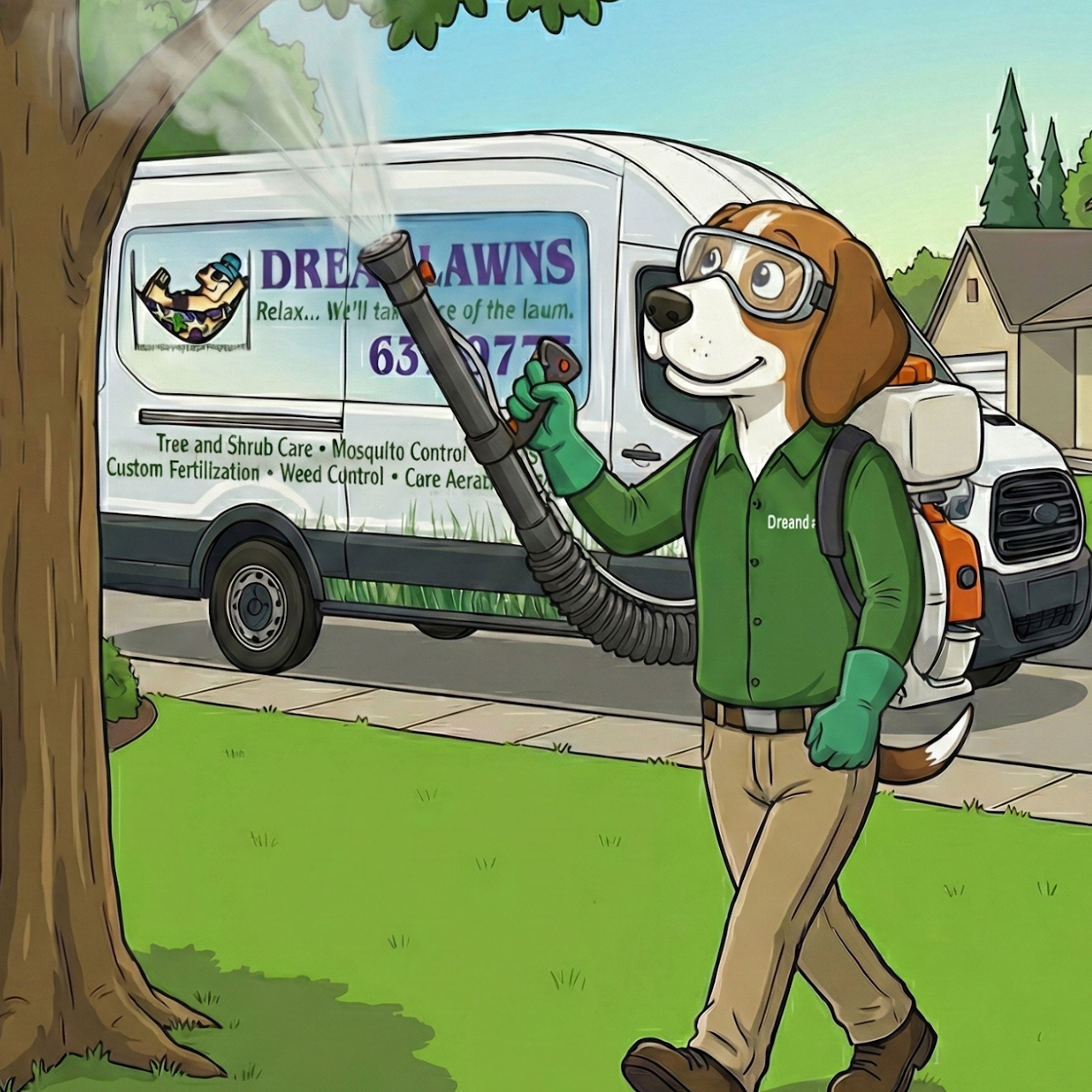
- Plant Healthcare customers are getting a combination of fast & slow-release nutrients as well as insect & disease controls.
- We’re also using Deep Root Feeding to help large or injured shrubbery.
- Our outdoor pest control applications are suppressing mosquitoes, fleas & ticks all across Hampton Roads!
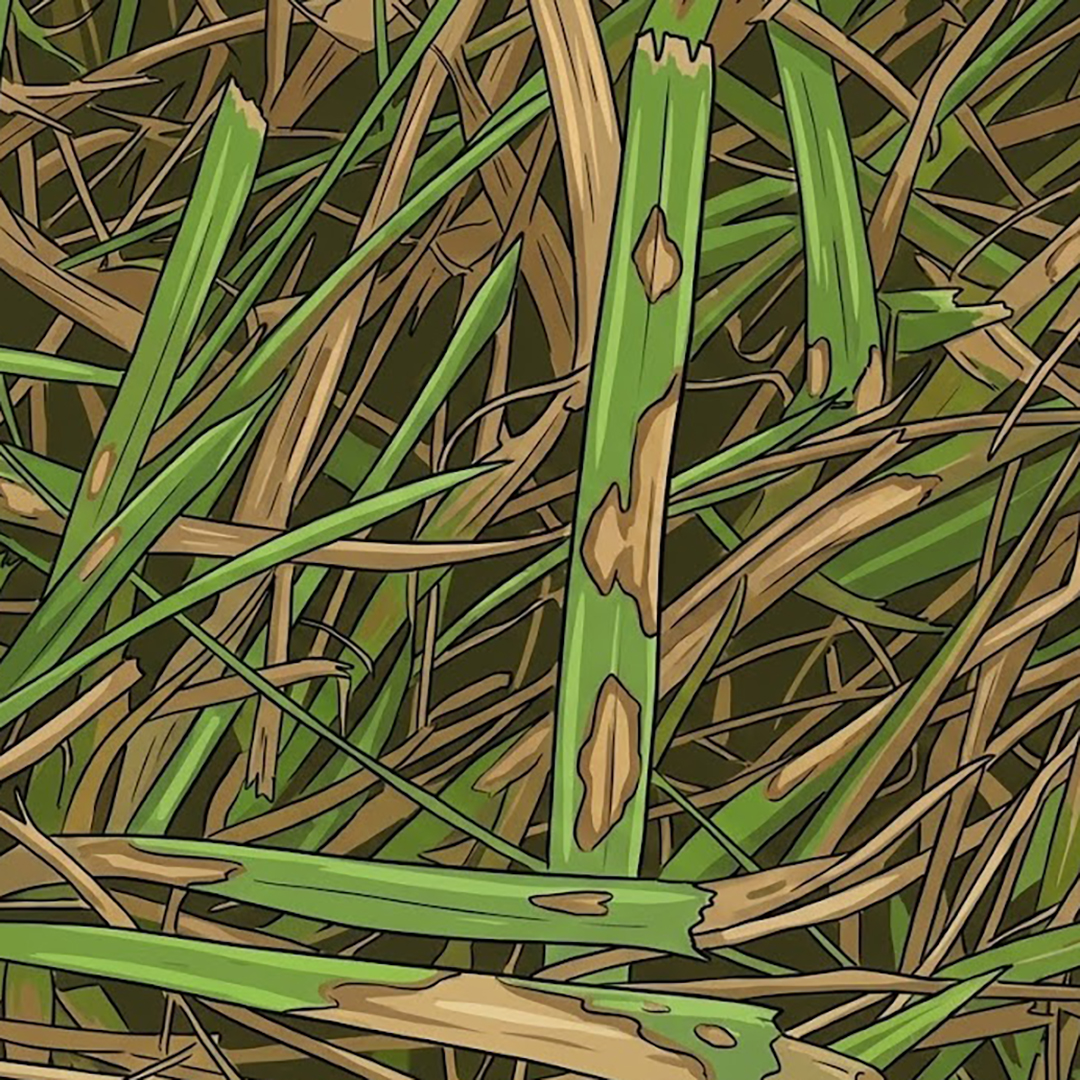
An illustration of Brown Patch Disease Lesions
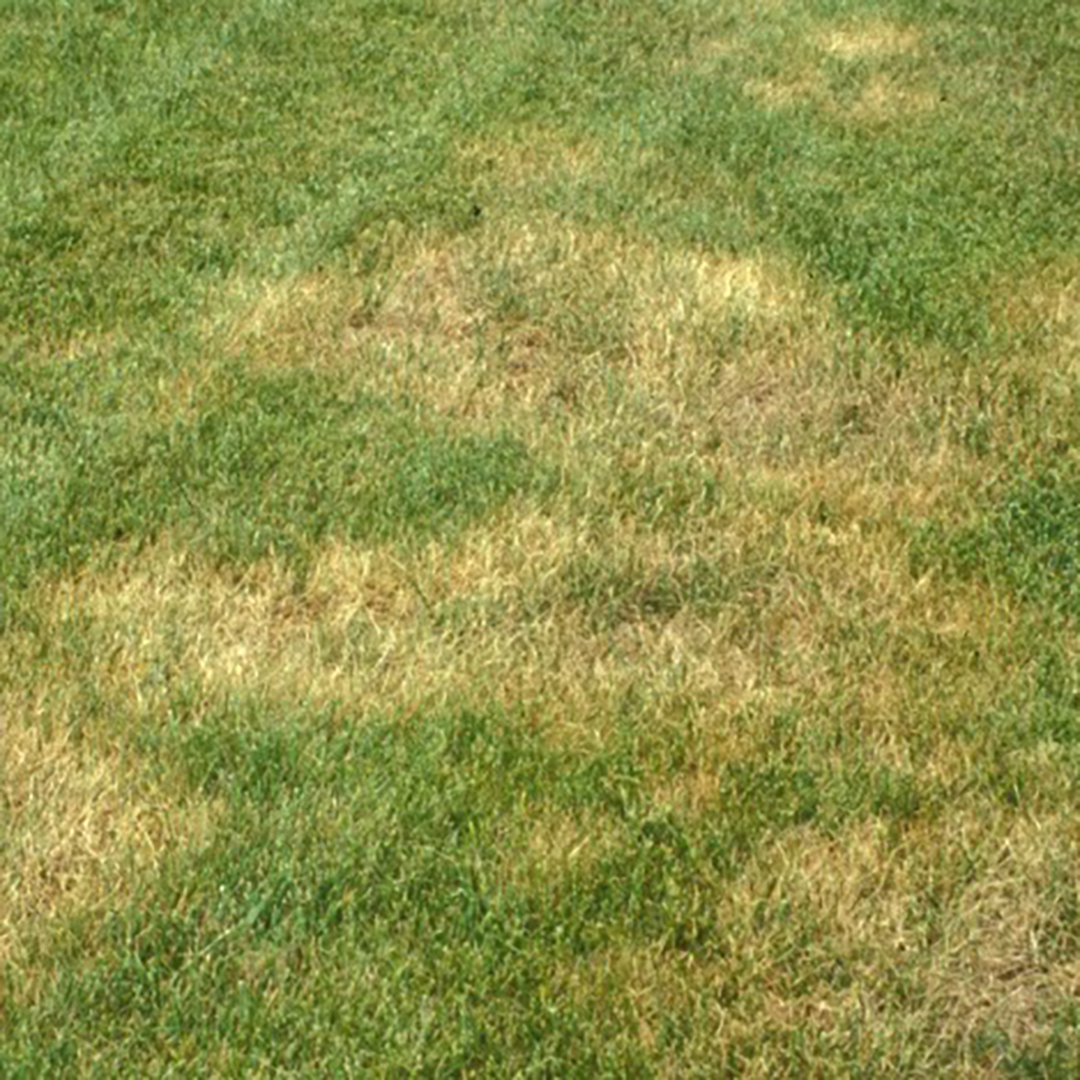
Brown Patch Disease
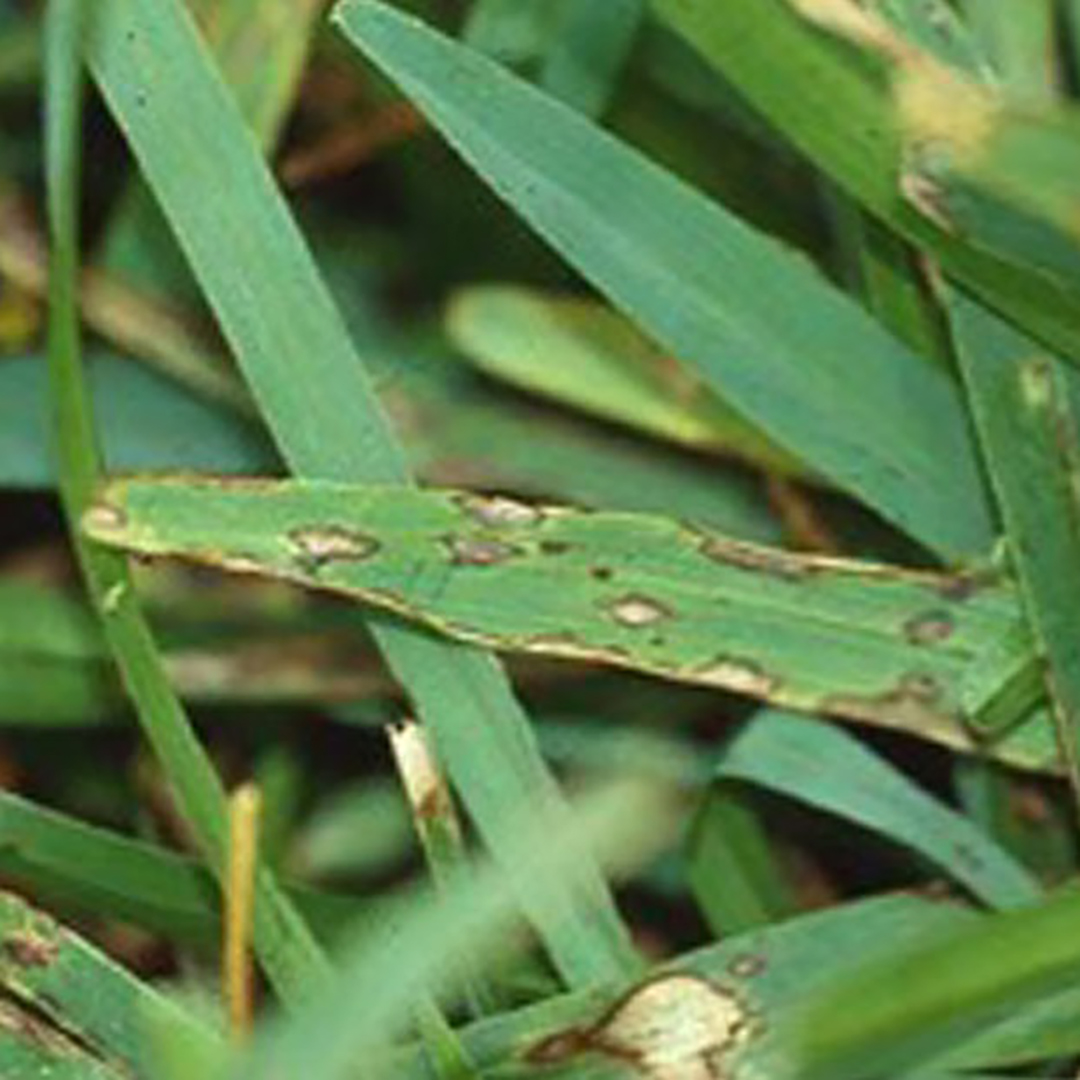
Gray Leaf Spot Disease
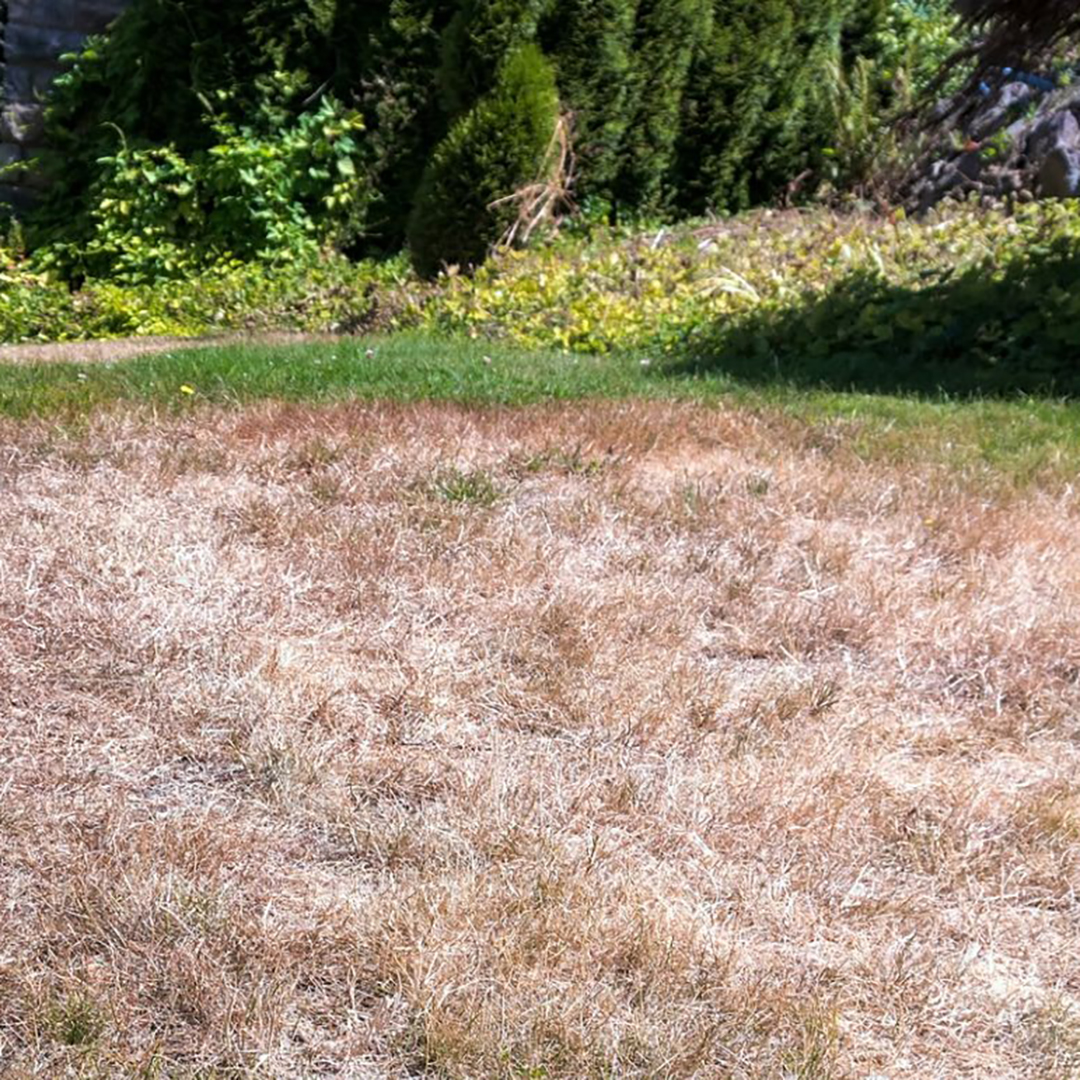
- Fungal diseases will start appearing on fescue and St. Augustine lawns in April and remain a threat throughout the spring and summer.
- Our five-round disease control program will protect your lawn from both diseases and damaging insects, but there are great DIY options available as well!
- Even with disease controls, careful watering is still important!
- Be sure to call right away if you see these signs of disease: Yellow, brown, matted, or dying patches; Lesions on the turf blades (check the areas where healthy turf borders damaged turf); Strands, “cobwebs” or greasy clumps appearing on the turf, especially early in the morning.
An illustration of Brown Patch Disease Lesions
Brown Patch Disease
Gray Leaf Spot Disease
- Plant Healthcare customers are getting a combination of fast & slow-release nutrients as well as insect & disease controls.
- We’re also using Deep Root Feeding to help large or injured shrubbery.
- Our outdoor pest control applications are suppressing mosquitoes, fleas & ticks all across Hampton Roads!
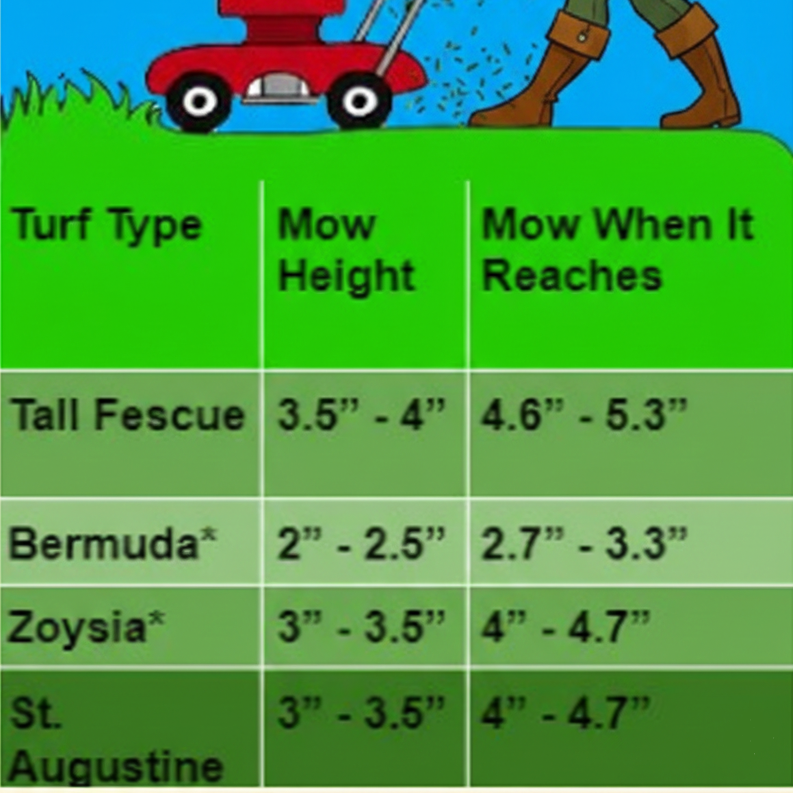
- Fescue lawns should be mowed weekly. If you want to take your lawn to the next level, mow twice a week throughout March & April.
- Warm-season lawns should be mowed at least biweekly until they emerge from dormancy and weekly as soon as they’re actively growing.
- If you didn’t sharpen your blades over the winter, please do so ASAP!
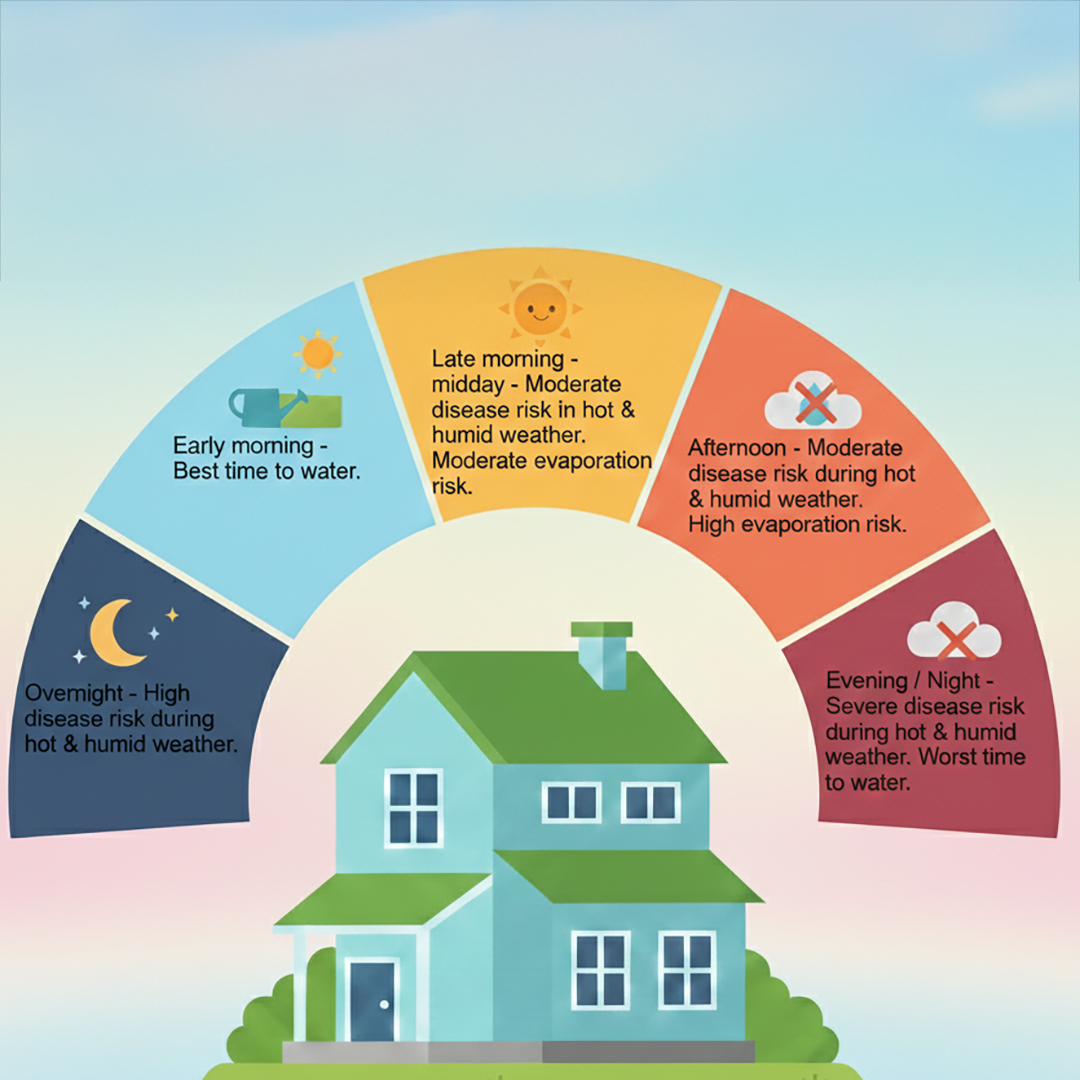
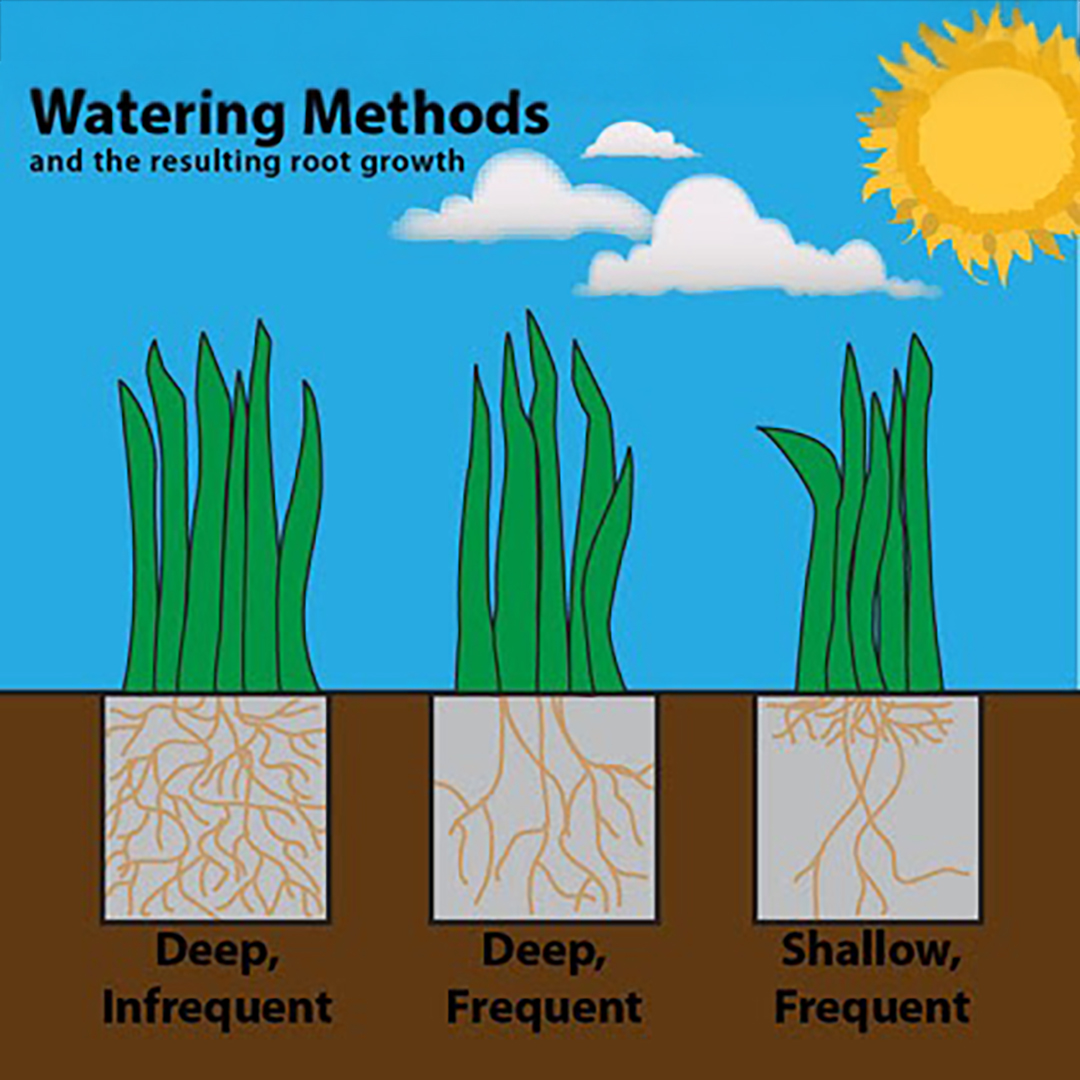
Water Deeply, Not Daily!
- Irrigation systems should not be activated before the end of April, unless directed otherwise by your lawn technician.
- When you do begin watering, water only once per week. Weekly watering should be maintained until the end of May.
- Heavy, infrequent watering will train your lawn to root deeply and reduce heat stress.
- Your lawn will need a total of about 1 to 1½ inches of water per week from spring through summer. Be sure to include rainfall in that total!
- We highly suggest regular auditing of automatic irrigation systems.
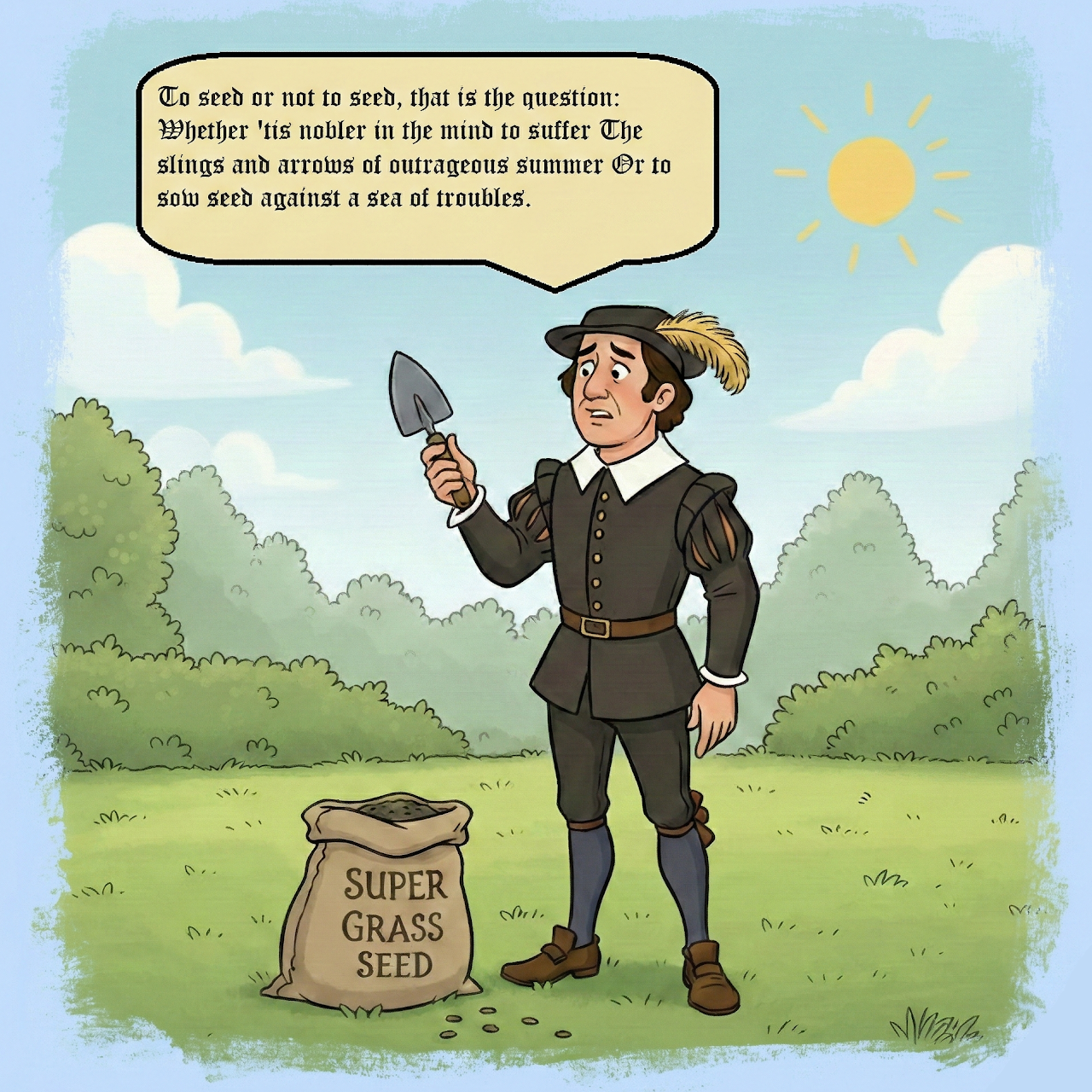
Risks of spring seeding
- Crabgrass: The pre-emergents we use to block crabgrass will also prevent your new grass seed from germinating. Crabgrass is very difficult to stop once it has started and can quickly overtake and kill off fescue.
- Disease: The seed will need to be watered twice a day. Watering twice a day in spring will increase disease pressure. New seedlings are especially susceptible to disease.
- Heat: Fescue starts to experience heat stress when soil temperatures reach 70° or when average air temperatures reach 85° for several days. Seedlings established in March will have only a few months to develop roots before temperatures reach these points. Any fescue established by spring seeding is unlikely to survive July.
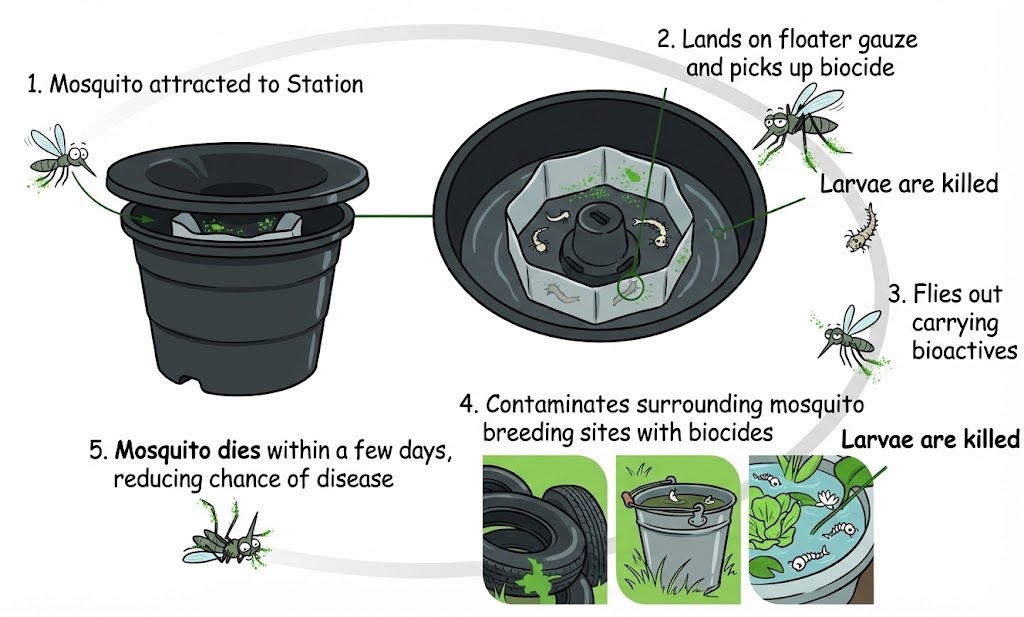
Our most popular and most effective option.
- This innovative plan uses unique stations that force local mosquitoes to spread larvae-killing products to breeding sites, killing the offspring of mosquitoes that don’t find their way into these stations: No mosquito is safe!
- We combine the continuous control offered by the stations with the instant effect of mosquito barrier sprays to achieve excellent and lasting control over mosquitoes with minimal effect on pollinators and other beneficial insects!
- Results are guaranteed: If mosquitoes are biting, give us a call and we’ll rush right out for a no-cost supplemental treatment.
- Serviced monthly from April to October.
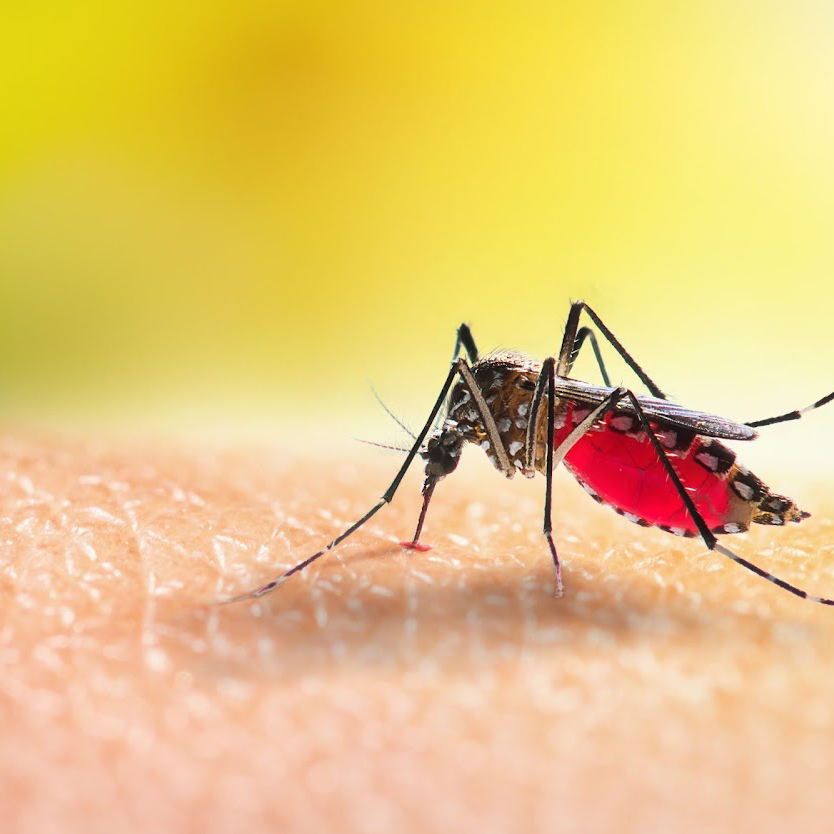
Affordable and effective mosquito control.
- This plan features 7 applications of conventional insecticide or 10 applications of organic insecticide.
- Treatments occur about once a month from April to October.
- Results are guaranteed: If mosquitoes are biting, give us a call and we’ll rush right out for a no-cost supplemental treatment.
- May not be the best choice for very small properties, as a mosquito can easily fly from outside the property, bite you, and then leave without touching a treated surface.
- Will affect beneficial insects (even organic insecticides), but we do our best to minimize these effects.
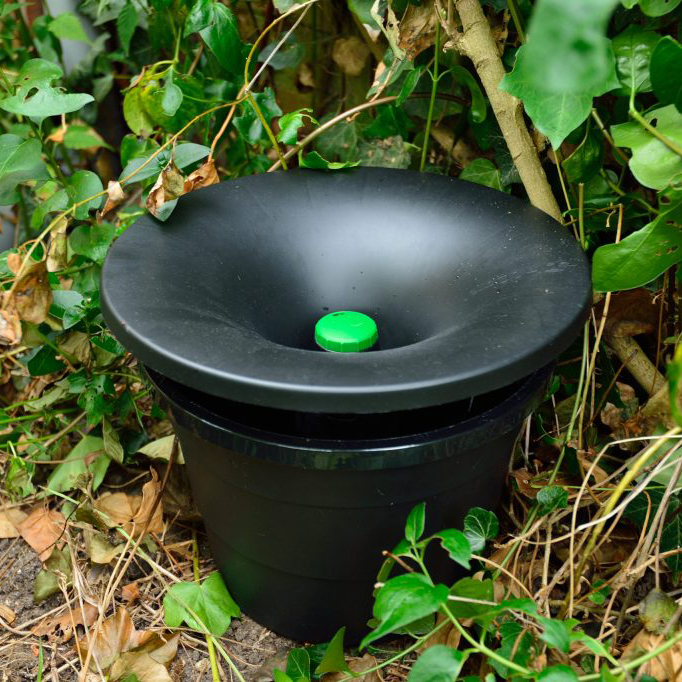
Reduce mosquitoes without harming pollinators.
- This plan consists of ONLY In2Care mosquito reduction stations.
- This service provides fair control, but may be overwhelmed by heavy mosquito pressure.
- Has no effect on pollinators or other beneficial insects.
- This can be a good choice for small lawns if they don’t face heavy mosquito pressure.
- This is a perfect choice for very environmentally conscious customers.
- Serviced monthly from April to October.
- Results are not guaranteed, but we will apply a barrier spray upon request at a 50% discount while we are on the property for mosquito service.

This four-round program is perfect for severe infestations.

- 7 applications per year to keep your plants healthy and beautify your outdoor living space.
- Slow-release nutrients to spoon feed your plants, with each species being fed at precisely the right time of year.
- Controls most damaging insects and diseases.
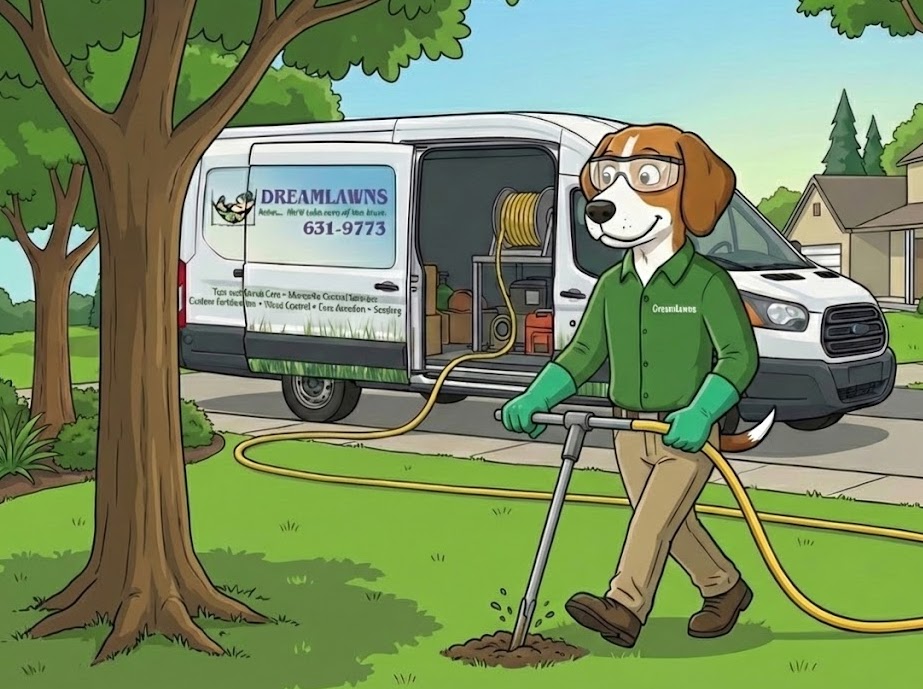
- A unique package of nutrients and root stimulants applied directly to the root zone of large plants.
- Allows the plant to absorb more nutrients from the soil.
- Helps to improve the drainage of the soil around your plants by reducing compaction and increasing aeration.
- Helps to increase disease resistance and encourages growth.

- May – Sept
- Slow-release nutrients and root stimulants to spoon feed your palms.
- Two applications per year, May – Sept.
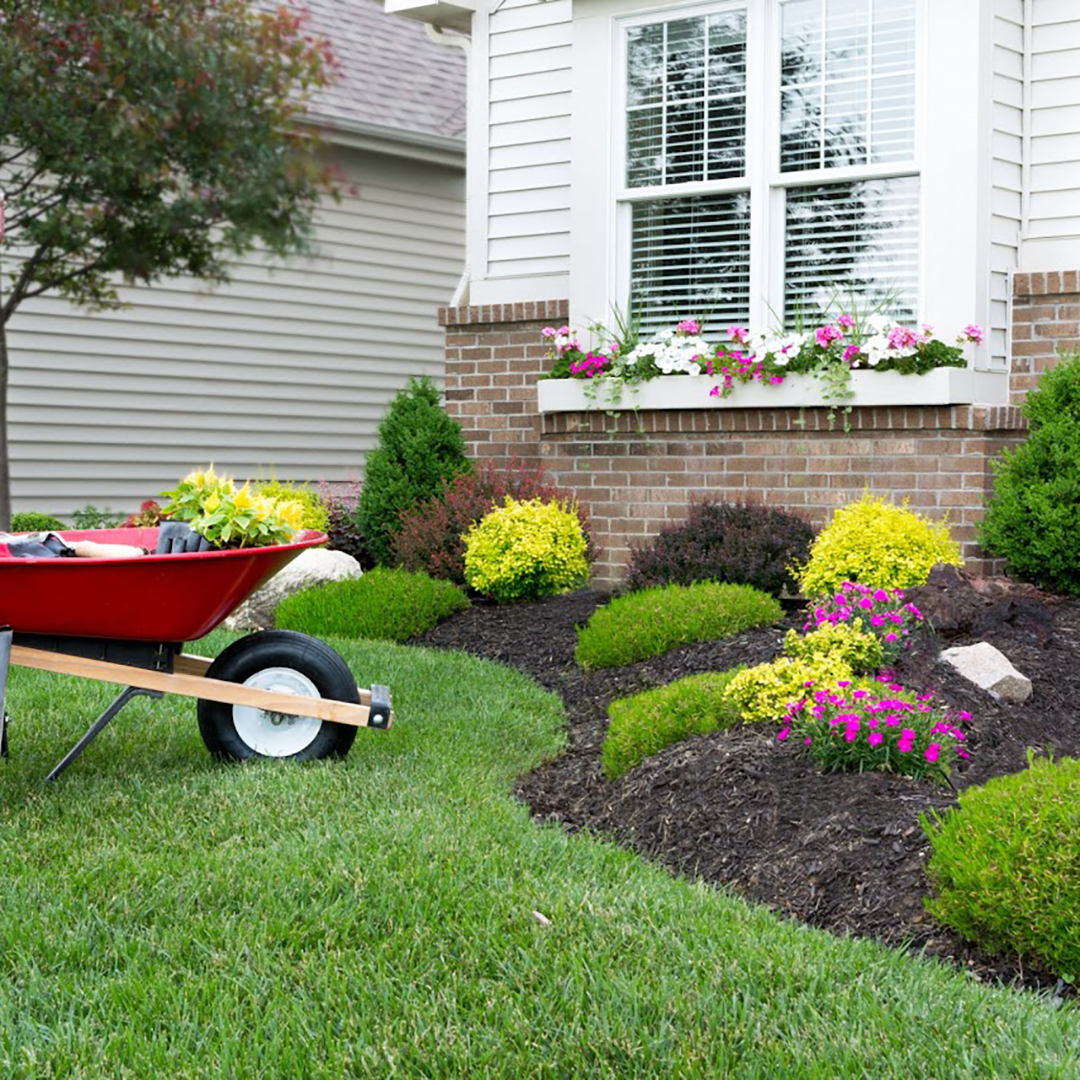
Think of our pre-emergent program as an invisible shield for your landscape. Instead of waiting for weeds to take over and pulling them by hand, we apply a preventative barrier to the soil that stops weed seeds from sprouting in the first place.
Where we apply it: This treatment is effective in all landscape beds, including mulched areas and rock gardens.
Plant Safety: The products are designed to prevent new weeds without harming your existing ornamental plants, shrubs, or trees. Note: If you have spring-flowering bulbs (like tulips or daffodils), please let us know, as pre-emergents can sometimes reduce their yield.
Realistic Expectations: While this program will drastically reduce the weed population and save you hours of weeding, it is not a “silver bullet.” It will not kill weeds that are already growing, and it may not eliminate 100% of the most aggressive weeds – but it will make your beds significantly easier to maintain.
Timing: To keep the barrier active year-round, we apply these treatments 3 times per year..
Dreamlawns provides superior lawn care service to Virginia Beach & Chesapeake VA residents.

