


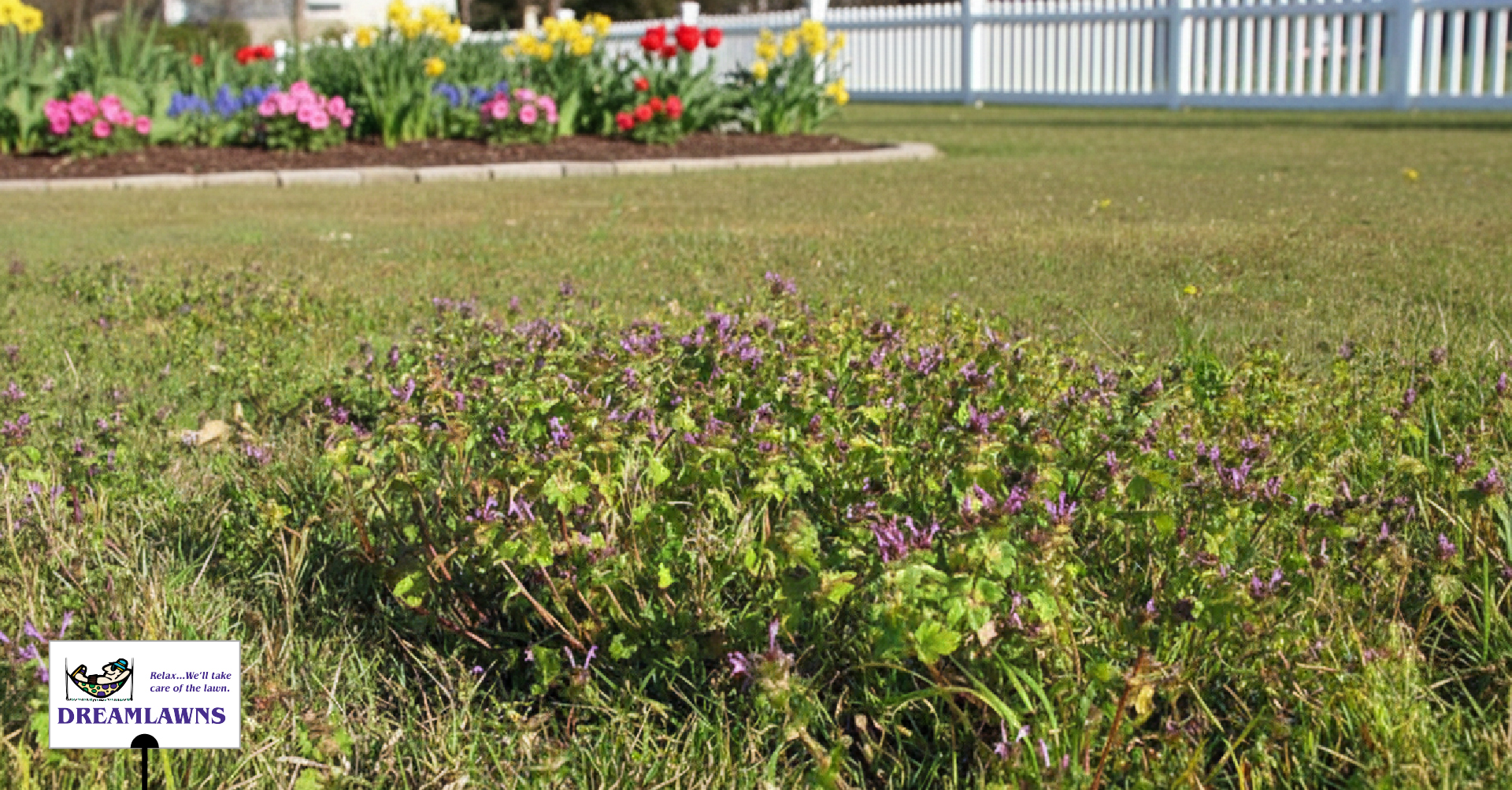
Dreamlawns Quick Cut: Winter weeds are common in Virginia Beach due to mild temperatures and slow-growing turf. Many winter weeds germinate in fall and become visible in winter, competing with grass for nutrients and space. Once established, they are difficult to control without proper timing. Managing winter weeds early helps protect lawn density and creates a healthier transition into spring.
When most homeowners think about weeds, they picture spring and summer growth. In Virginia Beach, however, weeds do not take a break during winter. Mild temperatures, frequent rainfall, and slow-growing turf create ideal conditions for winter weeds to establish and spread.
Many winter weeds begin germinating in the fall, long before they are visible. By the time they appear in winter, they are already well rooted and competing with turf for nutrients, moisture, and space. This often leads homeowners to believe weeds suddenly appeared overnight, when in reality they have been developing for months. Winter weeds are especially noticeable because lawns are growing more slowly. Turf is less able to crowd out unwanted plants, allowing weeds to stand out and spread more easily. Without proper management, these weeds can weaken the lawn through winter and leave it thin and patchy heading into spring.
Understanding why winter weeds occur and how they behave is the first step toward controlling them effectively. With the right approach and timing, winter weeds can be managed without compromising long-term lawn health.
What Are Winter Weeds?
Winter weeds are plants that germinate during the cooler months and grow actively while turf growth is slowed. In Virginia Beach, these weeds typically begin developing in late fall and continue growing through winter, taking advantage of mild temperatures and consistent moisture.
Unlike summer weeds, which thrive in heat, winter weeds prefer cool, damp conditions. They establish themselves quietly when lawns are less competitive, often before homeowners realize they are present. By the time winter weeds become visible, they are already rooted and spreading.
Many winter weeds complete most of their life cycle before spring arrives. This means they can cause damage throughout winter and early spring, then die off as temperatures rise, leaving behind thin or bare areas in the lawn. Because winter weeds start earlier and grow when turf is weaker, prevention and early management are critical. Understanding how these weeds behave helps explain why they are difficult to control once established and why timing matters more than treatment intensity.
The Most Common Winter Weeds in Virginia Beach Lawns
Winter weeds in Virginia Beach tend to follow predictable patterns. While several species may appear, a handful are responsible for most winter weed problems homeowners see each year. Identifying these weeds helps explain why they spread so easily and why early management is important.
- Chickweed: Chickweed is one of the most common winter weeds in the area. It grows low to the ground and spreads quickly, forming dense mats that crowd out turf. Chickweed thrives in cool, moist conditions and often appears in shaded or poorly drained areas of the lawn.
- Henbit: Henbit is recognizable by its rounded leaves and small purple flowers that emerge in late winter or early spring. It grows upright and spreads aggressively once established. Henbit is especially common in thin turf where grass growth slows during winter.
- Purple Deadnettle: Purple deadnettle is similar in appearance to henbit and often appears at the same time. It has fuzzy leaves and a purplish tint near the top of the plant. Like other winter weeds, it germinates in the fall and grows rapidly through winter when lawns are less competitive.
- Annual Bluegrass (Poa annua): Annual Bluegrass (Poa annua) is one of the most problematic winter weeds, especially in warm-season lawns. It has a lighter green color than most turf and produces seed heads early in the year. Once established, it can spread quickly and leave bare patches when it dies off in warmer weather.
- Bittercress: Bittercress often goes unnoticed until it begins producing small white flowers and seed pods. When disturbed, these seed pods can spread seeds several feet, allowing the weed to move quickly across the lawn. Bittercress prefers moist soil and often appears in winter and early spring.
These weeds all take advantage of slow-growing turf and cool, wet conditions. Once they are visible, they are usually well established, which is why winter weed control focuses on early management rather than last-minute solutions.
Why Winter Weeds Are Hard to Control Once You See Them
One of the most frustrating aspects of winter weeds is how difficult they are to control once they become visible. By the time homeowners notice weeds in winter, those plants have often been growing for weeks or even months. Winter weeds typically germinate in the fall when soil temperatures are still warm enough for growth. During this time, turf growth slows, creating open space for weeds to establish strong root systems. When winter arrives, these weeds are already well anchored and actively competing with the lawn.
Cold weather further complicates control. Turf is not growing aggressively enough to recover quickly from stress, which limits treatment options. Many homeowners attempt hand-pulling or spot treatments, but these methods rarely address the full root system and often fail to prevent regrowth. Timing matters more than product strength when it comes to winter weed control. Without proper planning and early intervention, treatments become reactive rather than preventive. This often results in temporary improvements followed by recurring weed problems later in the season.
Winter weeds are not just a cosmetic issue. Left unmanaged, they weaken the lawn over time and make spring recovery more difficult. Understanding why they are so persistent helps explain why a proactive approach is the most effective solution.
How Winter Weeds Affect Lawn Health
Winter weeds do more than change the appearance of your lawn. When left untreated, they create ongoing stress that weakens turf and makes it harder for the lawn to recover in spring.
Winter weeds compete directly with grass for nutrients, moisture, and space. Because turf growth slows during colder months, weeds often gain the upper hand, drawing resources away from the lawn when it is already under seasonal stress. This competition weakens root systems and reduces overall turf density.
As winter weeds spread, they create uneven growth patterns across the lawn. When these weeds die off in warmer weather, they often leave behind thin or bare areas. These open spaces become prime targets for spring and summer weeds and contribute to a patchy lawn appearance.
Winter weeds can also interfere with spring lawn care efforts. Dense weed growth makes it harder for nutrients and treatments to reach the turf effectively. This can delay green-up and reduce the effectiveness of fertilization and other spring applications. Over time, repeated winter weed pressure leads to a weaker lawn that requires more corrective treatments. Managing winter weeds early helps protect turf health, maintain density, and support a smoother transition into the growing season.
Winter Weed Control for Fescue vs. Warm-Season Lawns
Winter weed control looks very different depending on the type of grass in your lawn. In Virginia Beach, most lawns fall into one of two categories, cool-season fescue or warm-season turf, and each requires a different approach during winter.
Fescue Lawns
Fescue lawns remain active during winter, even though growth slows. Because the grass is still growing, traditional pre-emergent herbicides are not typically used during this time. Applying pre-emergents to fescue can interfere with healthy turf growth and is generally avoided. Instead, winter weed management for fescue focuses on selective weed suppression. Targeted treatments control existing winter weeds without harming the turf, allowing fescue to maintain density and continue competing against weeds. This approach helps protect root health and prevents weeds from taking over while the lawn is vulnerable.
Proper mowing height, moisture management, and debris removal also play an important role in keeping fescue strong through winter.
Warm-Season Lawns
Warm-season grasses such as Bermuda and Zoysia are dormant during winter, which makes weed prevention especially important. Because these lawns are not actively growing, they cannot compete with winter weeds once they emerge.
For warm-season lawns, winter weed control relies heavily on pre-emergent applications applied in the fall. When timed correctly, these treatments prevent many winter weeds, including annual bluegrass, from germinating in the first place. Once winter weeds are established, control becomes much more difficult.
Winter monitoring remains important, especially after wet or mild weather. Spot treatments may be needed in some cases, but prevention through proper timing remains the most effective strategy.
Understanding how turf type affects winter weed control helps ensure the right treatments are used at the right time. A tailored approach protects lawn health and reduces long-term weed pressure.
How Dreamlawns Controls Winter Weeds
At Dreamlawns, winter weed control is built around timing, turf type, and long-term lawn health. Rather than relying on one-off treatments, we use a strategic approach that addresses existing weeds while reducing future pressure.
For fescue lawns, our winter weed control focuses on selective weed suppression. Because fescue remains active during winter, treatments are carefully chosen to control winter weeds without disrupting healthy turf growth. This allows the lawn to maintain density and continue competing against weeds during the cooler months.
For warm-season lawns, winter weed control is centered on prevention. Our programs emphasize properly timed pre-emergent applications, typically applied in fall, to stop winter weeds from germinating. This is especially important for weeds like annual bluegrass, which can be difficult to manage once established.
Winter conditions in Virginia Beach can vary year to year, so monitoring is an important part of our process. Rainfall, temperature swings, and turf response all influence how winter weeds behave. We adjust treatment timing and recommendations as needed to ensure effective control without unnecessary stress on the lawn.
Winter weed control works best when it is part of a year-round lawn care program. By addressing weeds during the winter months, we help protect turf density, reduce spring weed outbreaks, and create a smoother transition into the growing season.
Work With Us
Winter weeds are easiest to manage when they are addressed early and as part of a long-term lawn care strategy. Waiting until weeds are fully established often leads to reactive treatments that do not provide lasting results.
At Dreamlawns, we help Virginia Beach homeowners take a proactive approach to winter weed control. Our programs are built around proper timing, turf type, and seasonal conditions. Whether your lawn is cool-season fescue or warm-season turf, we design treatments that control winter weeds without compromising turf health.
If winter weeds are becoming a recurring problem in your lawn, Dreamlawns is here to help. Contact us to schedule an evaluation and start building a plan that keeps weeds under control season after season.
Frequently Asked Questions
Winter weeds thrive in Virginia Beach because mild temperatures and moisture allow them to grow while the turf is slow-growing. Many of these weeds actually began germinating in the fall.
Some winter weeds die off as temperatures rise, but they often leave behind thin or bare areas. These spots can quickly fill with summer weeds if not properly managed.
Hand-pulling may remove visible weeds, but it often does not eliminate the entire root system or prevent new weeds from emerging. In many cases, this provides only temporary relief.
The best time to control winter weeds is before they fully establish. Early management in fall and winter reduces competition, protects turf health, and leads to better results in spring.
Lawn Care Services In The Virginia Beach Area
Dreamlawns provides superior lawn care service to Virginia Beach & Chesapeake VA residents.

